1 hr
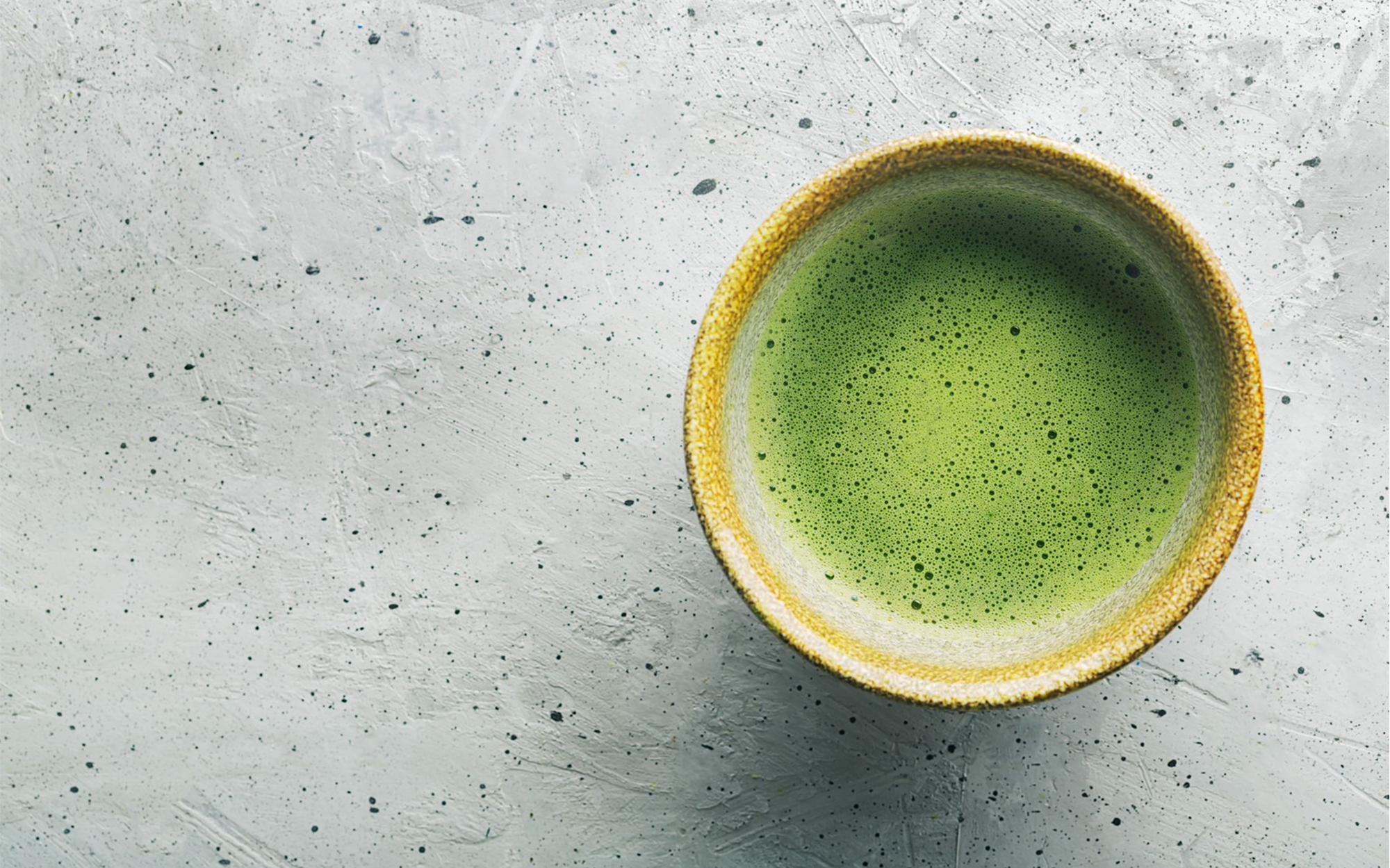
Kenrokuen Garden Traditional Tea Ceremony
- Entry ticket
- Mobile voucher
- Valid same day
- Free cancellation
Gold Leaf Craft Workshops in Higashi Chaya
Shape pure kinpaku into wearable art, taught by fifth-generation artisans
Compare fares, pick the fit — all bookings are mobile-voucher and eligible for free cancellation where shown.
1 hr
1 hr
1 hr 30 min
Visitors seeking to refine their traditional craft skills can choose from distinct ticket options for the kanazawa gold leaf craft workshop in higashi chaya. Whether you are looking for a standard keepsake creation or a guided cultural experience, these sessions offer a hands-on look at Kanazawa's historic gilded artistry.
| Standard Workshop Premium Cultural Session |
Top pick Workshop Kit Guided Experience |
|
|---|---|---|
| Duration | 45–60 minutes | 60 minutes |
| Activity | Crafting gold leaf item | Crafting with tea and sweets |
| Staff Guidance | Basic instruction | Detailed artisanal explanations |
| Best for | First-time visitors | Culture enthusiasts |
| See tickets & prices |
Verdict: We recommend the Standard Workshop for those wanting a quintessential kanazawa gold leaf craft workshop in higashi chaya tour experience.
Worth it for hands-on culture seekers
A kanazawa gold leaf craft workshop in higashi chaya delivers genuine value through active participation rather than passive observation. You work with authentic k押金箔 (kinpaku), the ultra-thin 0.1-micron sheets that have defined Kanazawa's craft identity for centuries, applying them to items like chopsticks, mirrors, or small boxes under artisan guidance. The process requires precision—gold leaf tears if handled carelessly—making the 60-90 minute session more skill-focused than souvenir assembly lines found elsewhere. Your finished piece becomes a functional keepsake tied to specific technique, not mass-produced inventory. The Higashi Chaya district setting adds context; historic teahouse architecture and nearby gold leaf shops demonstrate the craft's local lineage. Bookable workshops through bundled cultural walks or standalone sessions suit visitors prioritizing tactile learning over photo-stop tourism. The cost scales with item complexity, but even entry-level options provide direct contact with a material that represents 99% of Japan's domestic gold leaf production. Skip it only if you prefer curated shopping to hands-on making.
Bottom line: The kanazawa gold leaf craft workshop in higashi chaya converts Kanazawa's signature material into tactile skill-building, worth the cost for travelers who value making over buying.
Both provide authentic, hands-on experiences in the heart of the city's gold leaf tradition; visitors often choose the kanazawa gold leaf craft workshop in higashi chaya for its immersive setting, while Gold Leaf Sakuda is favored for its broader factory-tour and museum integration.
|
Top pick Higashi Chaya Workshop |
Gold Leaf Sakuda | |
|---|---|---|
| Focus | Artisan guidance and personal decor | Factory production and gilding demo |
| Location | Higashi Chaya District | Higashiyama Main Store |
| Typical Duration | Approx. 60–90 minutes | Approx. 60 minutes |
| Project Options | Boxes, plates, chopsticks | Chopsticks, plates, mirrors |
| Booking Requirement | Recommended for peak times | Advance reservation required |
| Staff Expertise | Instruction by skilled artisans | Direct artisan gilding guidance |
| See tickets & prices |
Verdict: If you prioritize a classic atmosphere within a historic district, the kanazawa gold leaf craft workshop in higashi chaya tours offer the most evocative experience, whereas Sakuda provides a more comprehensive look at the industrial history of the craft for those booking a kanazawa gold leaf craft workshop in higashi chaya tour in the vicinity.
Hand-picked experiences loved by thousands of travelers
1 hour
Free Cancellation
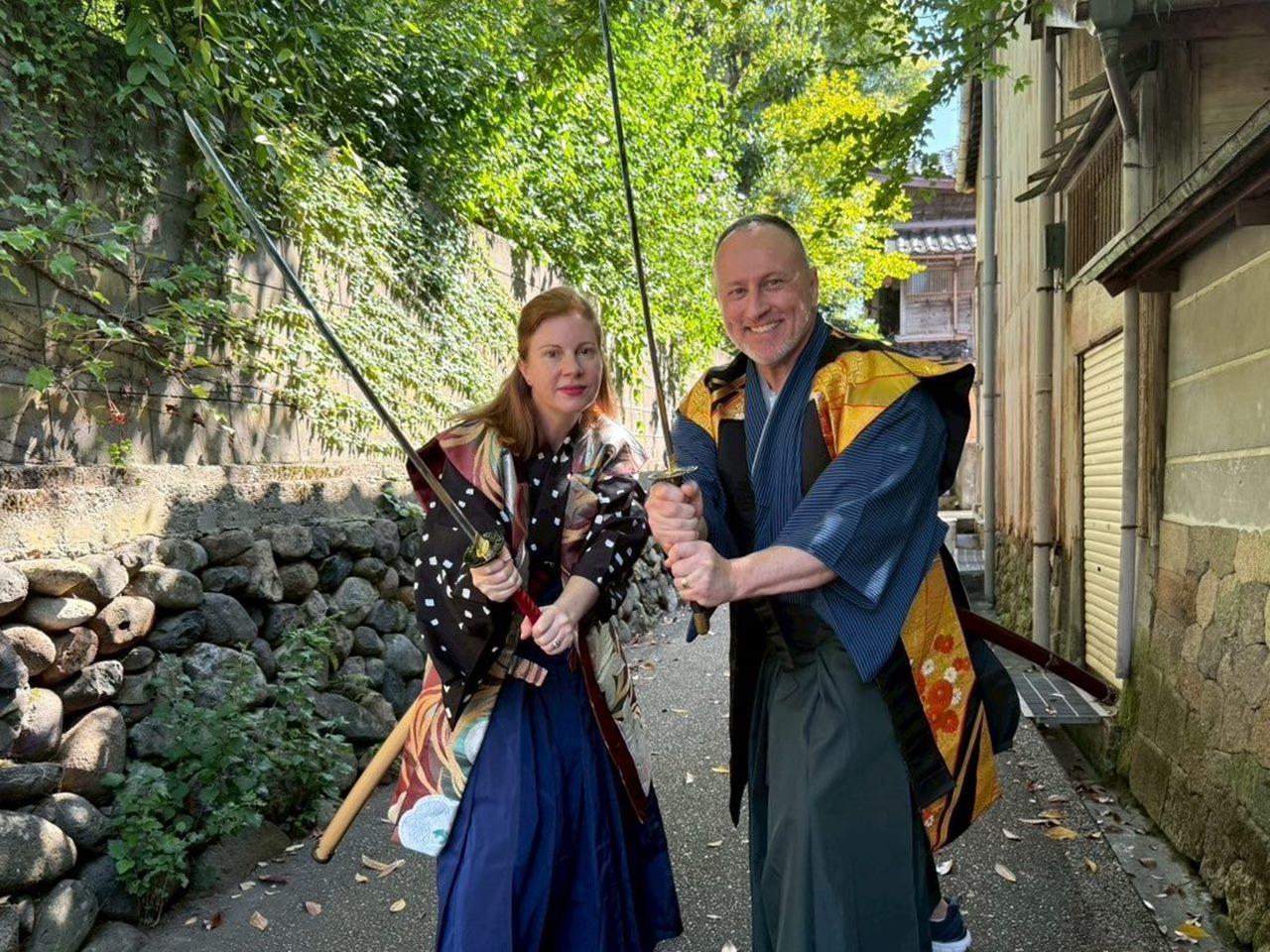
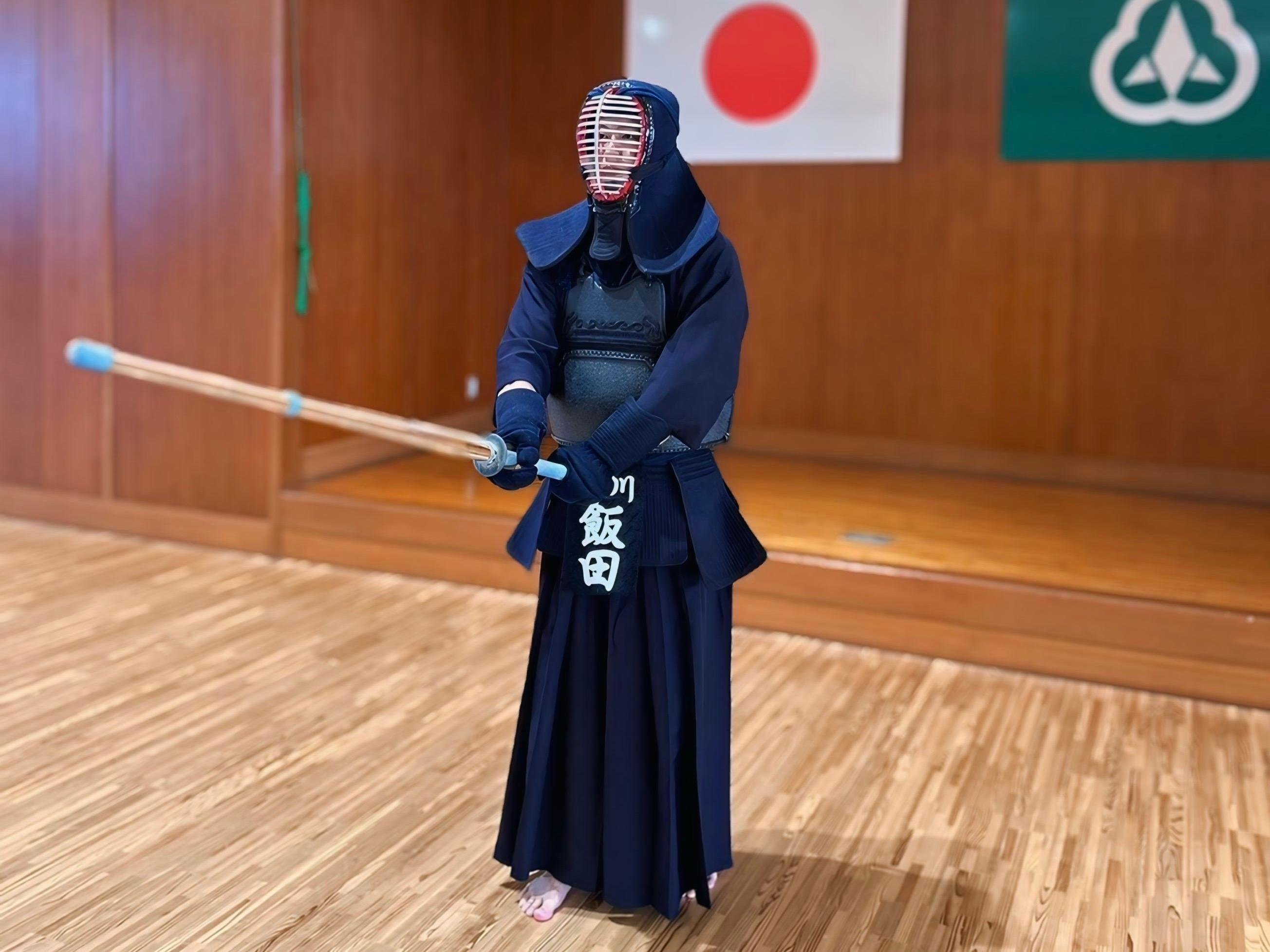
Master traditional Japanese swordsmanship techniques in authentic samurai attire at a centuries-old temple
2.5 hours
Free Cancellation
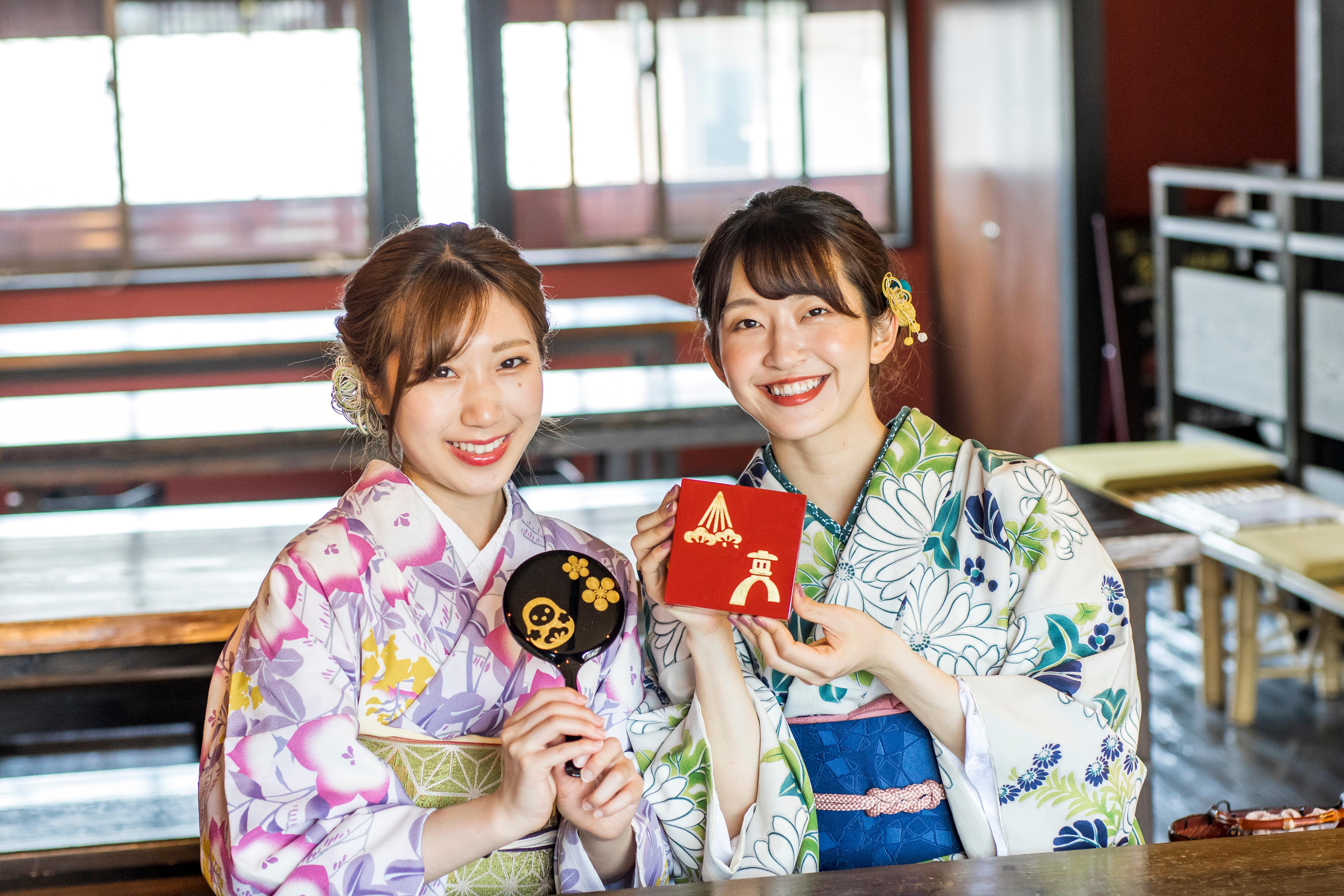
Discover traditional geisha quarters, craft your own gilded keepsake, and savor matcha at a 400-year-old shop
2 hours
Free Cancellation
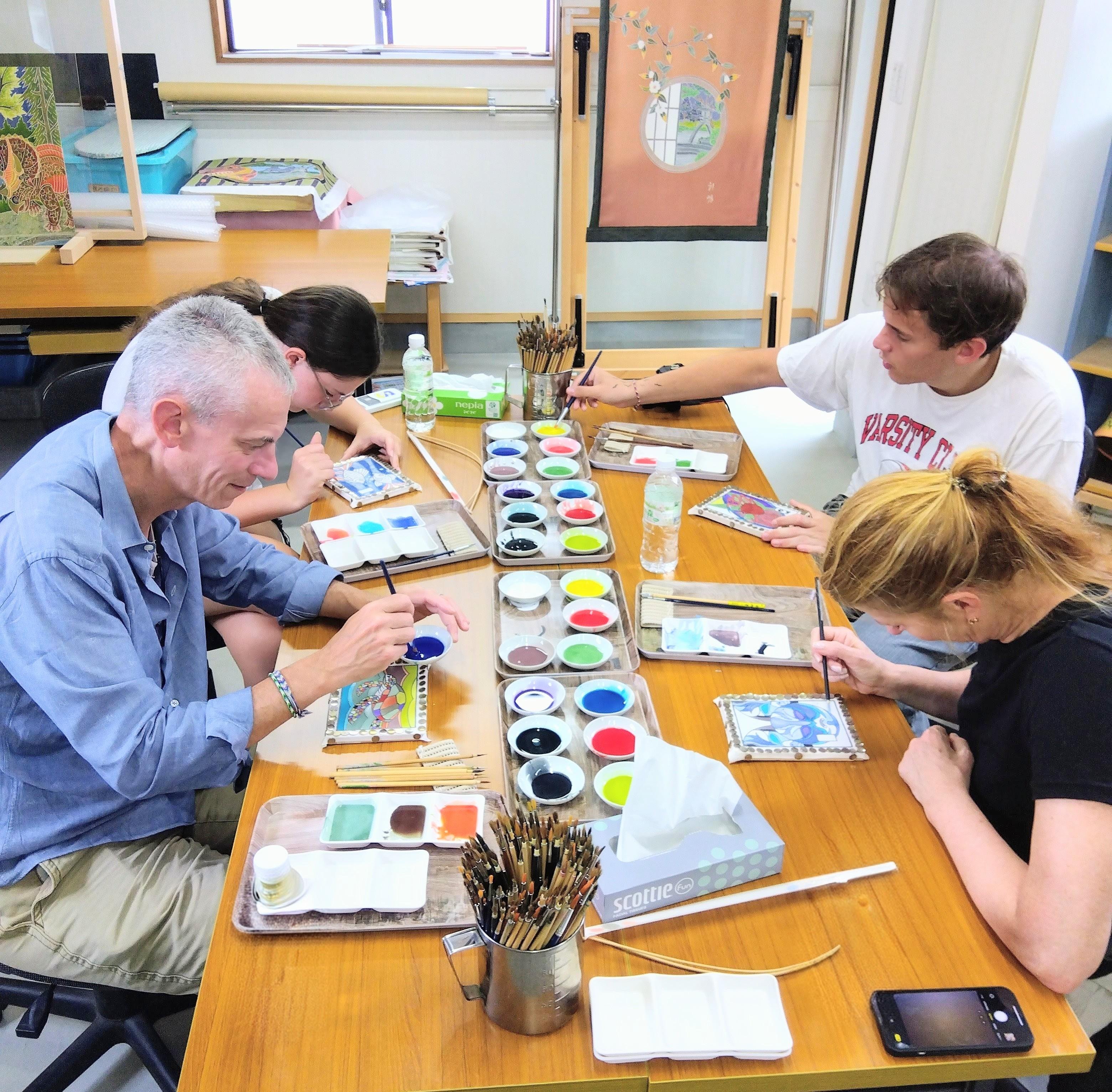
Create your own traditional Japanese dyed textile in a 2-hour hands-on session at an authentic artisan workshop
75 minutes
Free Cancellation
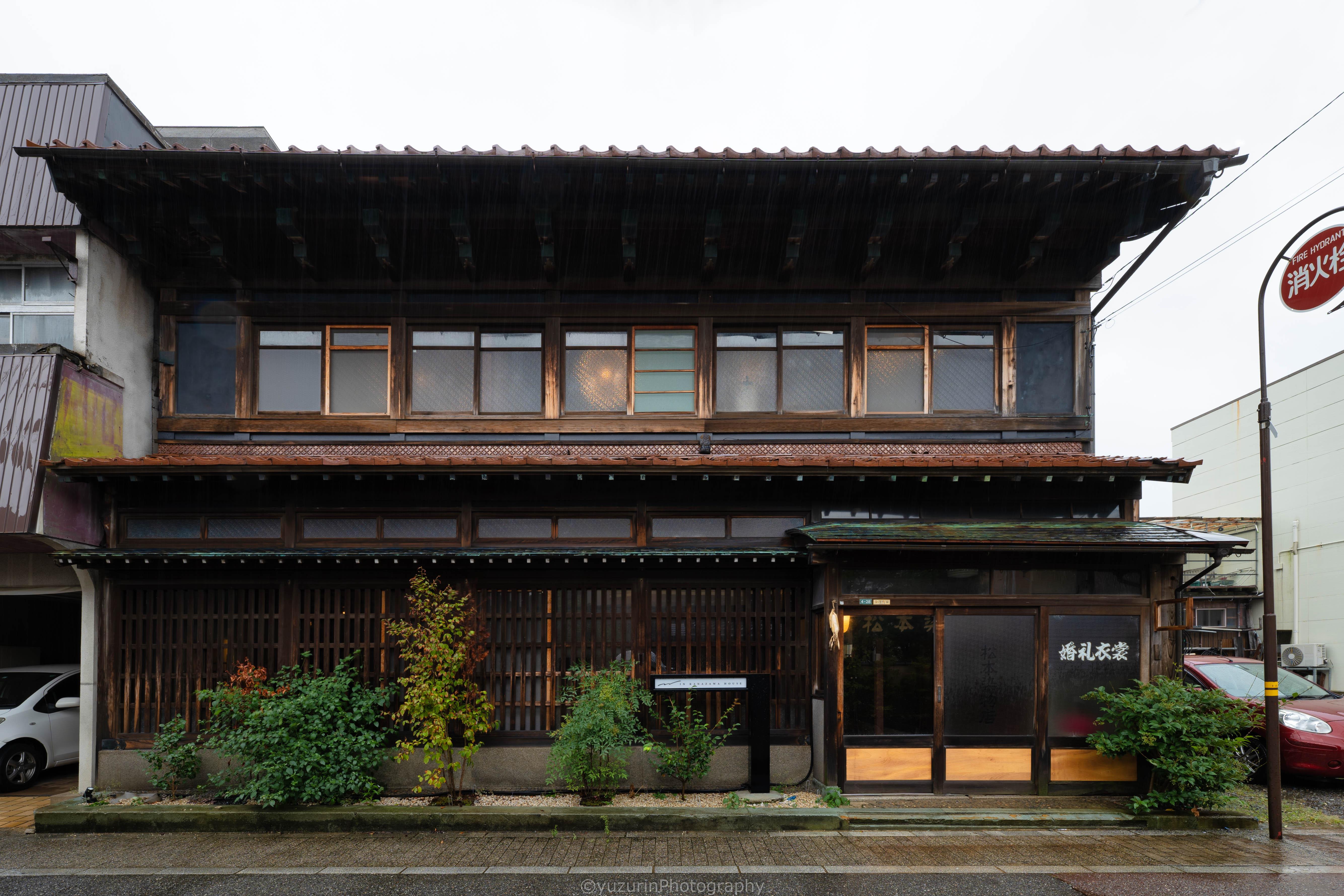
Craft your own engraved glass piece and explore an artist's gallery in a century-old Japanese home
2 hours
Free Cancellation
Master bamboo sword techniques in a traditional dojo led by a championship-level instructor
1 hour
Free Cancellation
Craft your own gold leaf souvenir at a renowned maker established in 1898, with optional gilded ice cream
3 hours
Free Cancellation
Explore historic teahouse quarters and sample fresh delicacies at a centuries-old seafood market
1 hour
Free Cancellation
Intimate introduction to Japanese tea ritual in a century-old machiya townhouse
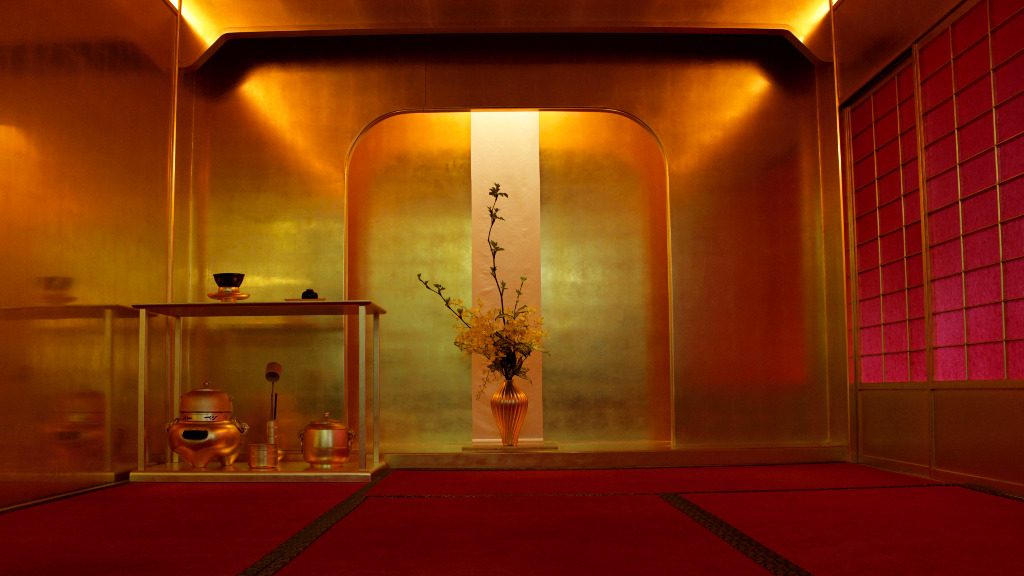
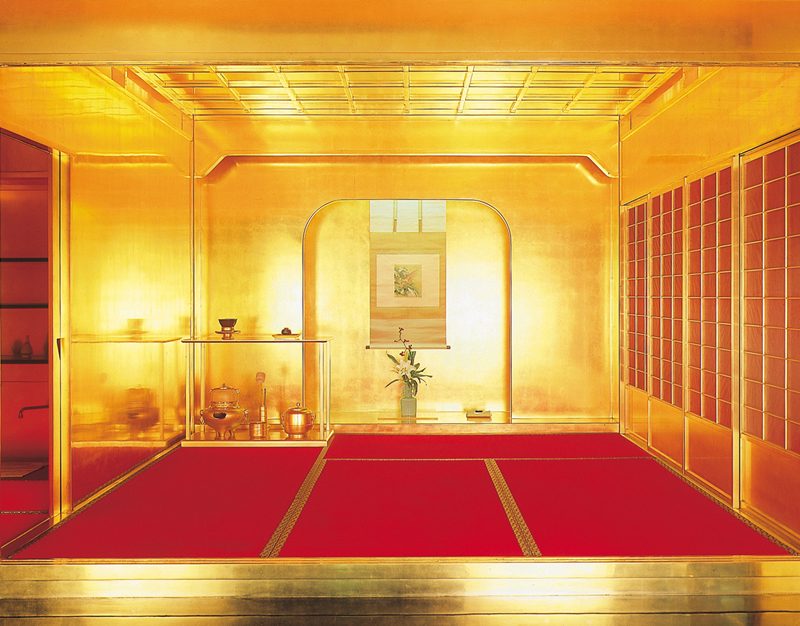
A room entirely covered in gold and platinum leaf providing an immersive shimmer experience.
Hands-on area where visitors use traditional tools to decorate items.
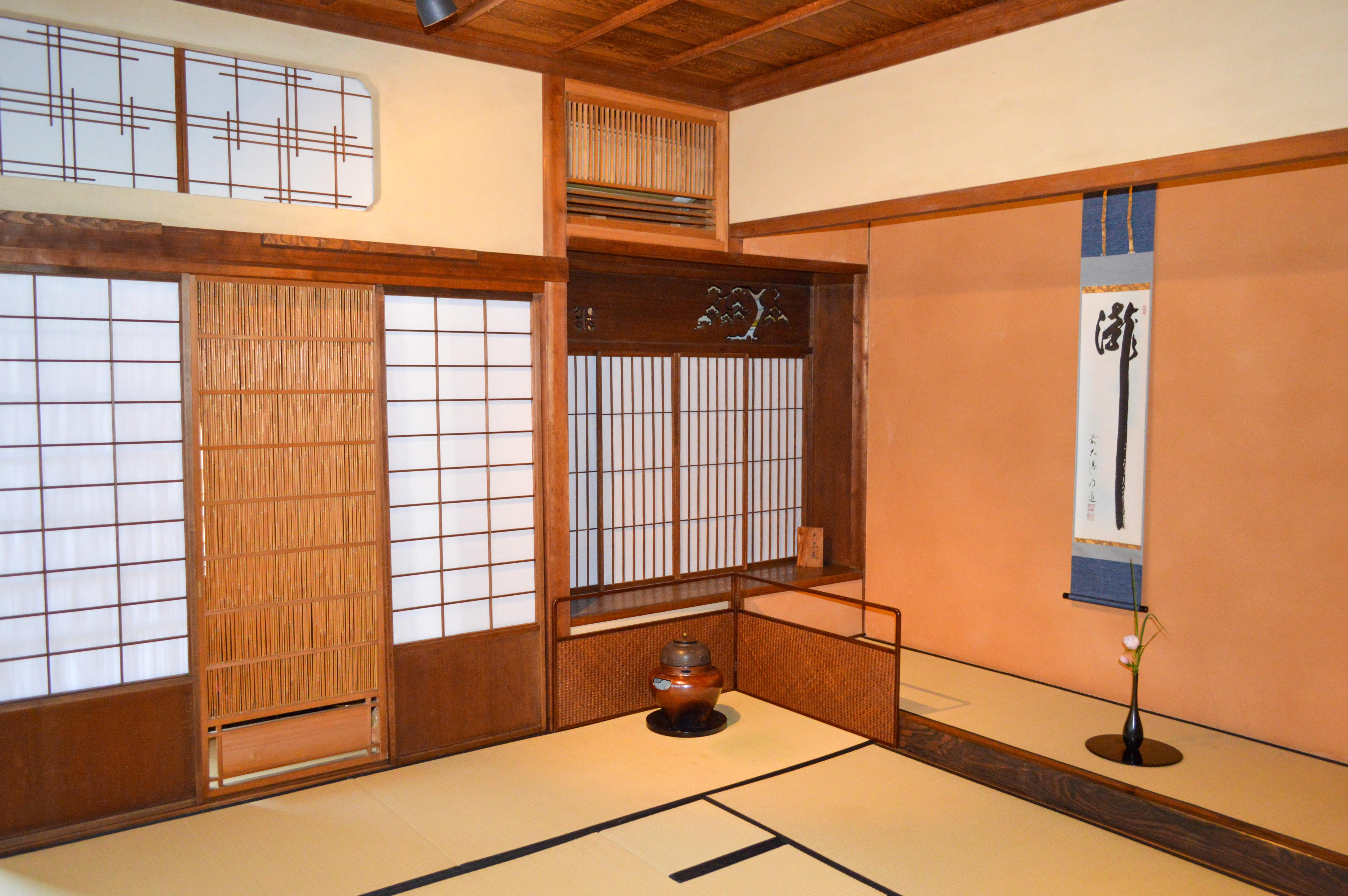
A reconstructed tea space highlighting the luxury of Kanazawa gold application.
Educational exhibits detailing 400 years of regional gold leaf history.
A dedicated space to observe professional craftsmen applying delicate leaf.
You enter the studio through a narrow genkan entryway, sliding doors revealing a tatami room lined with display cases of lacquerware glowing under warm LEDs. An instructor bows, gestures toward a low table set with your chosen base — a round jewelry box in deep vermillion.
She demonstrates the tampo motion: light taps with a silk-wrapped brush, coating the lid's center in translucent adhesive.
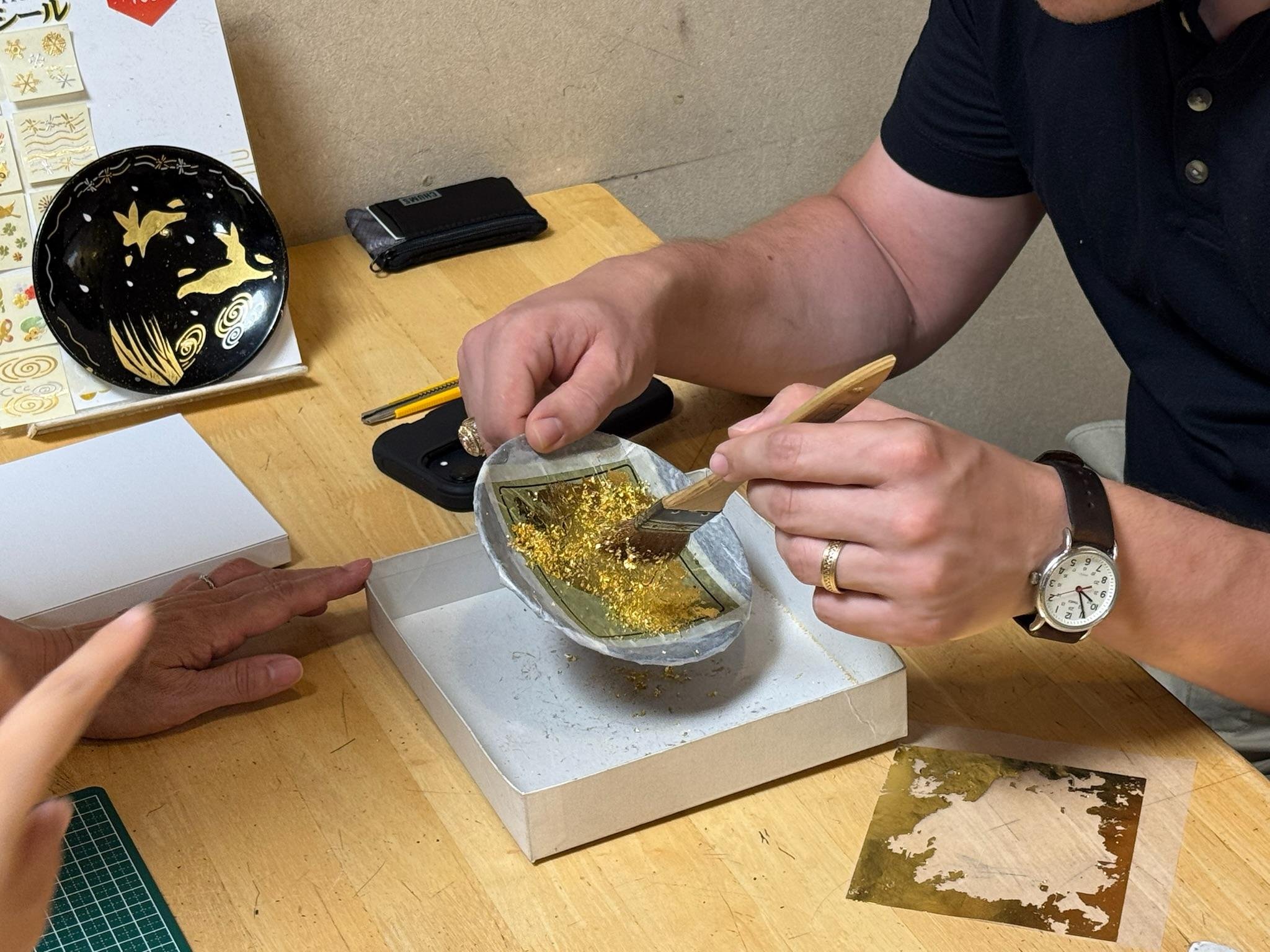
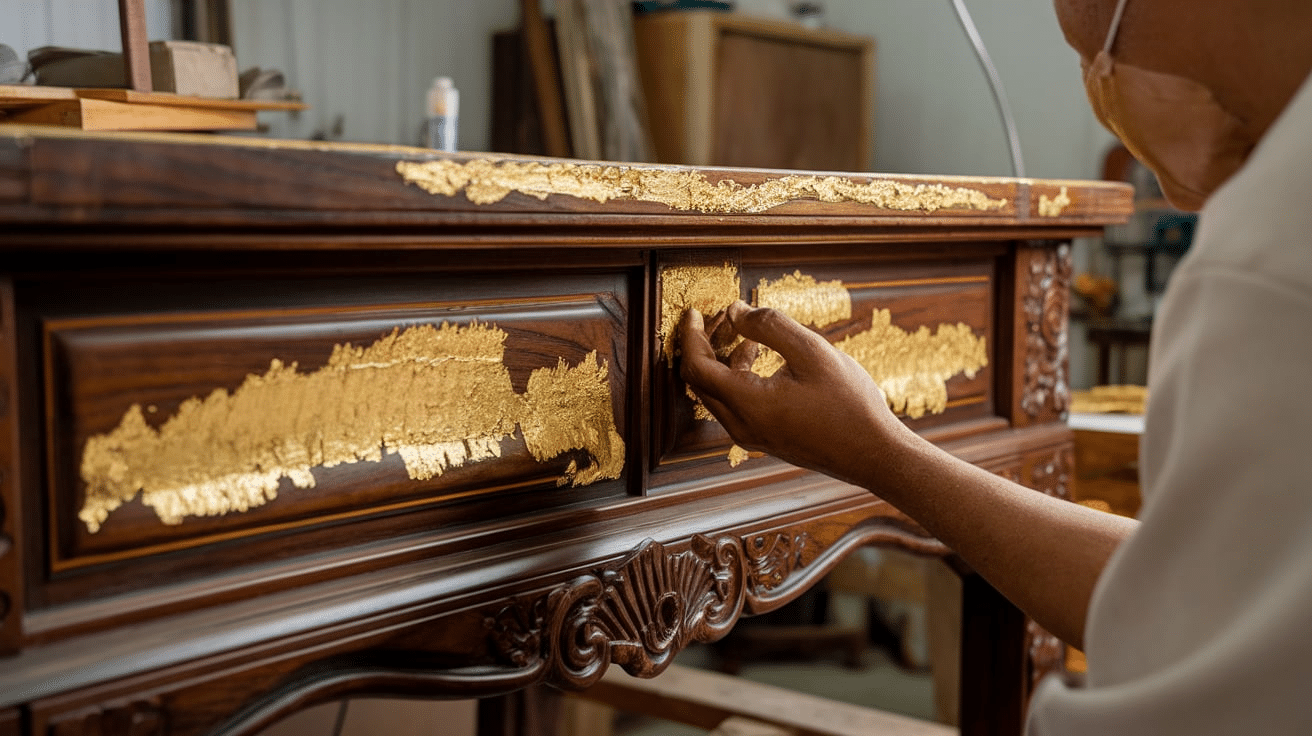
You mirror her strokes, feeling the lacquer's pull against the bristles. After three minutes the surface shifts from wet to tacky. She lifts a sheet of kinpaku with bamboo tweezers, drapes it over your box. You press gently with a dry brush. The leaf shatters into rivers of gold, filling cracks you didn't intend. She smiles — wabi-sabi, the beauty of imperfection. You add a second layer, overlapping edges until the lid glows.
Thirty minutes pass in silence broken only by the brush's whisper. Outside, tour groups shuffle past Higashi Chaya's teahouses, but the studio stays insulated, cool. The instructor wraps your finished piece in washi paper, ties it with hemp cord. You step back onto the cobblestones carrying a fragment of Kanazawa's economy in your hands — gold leaf that once gilded samurai armor, now yours to open each morning.
All the details about your upcoming adventure in one place
Kanazawa produces 99 percent of Japan's gold leaf — kinpaku — hammered to one ten-thousandth of a millimeter and layered onto lacquerware, temple altars, and ceremonial objects since the Edo period.
The city's artisans perfected techniques under the patronage of the Maeda clan, who ruled from Kanazawa Castle and cultivated crafts as tools of political prestige. Gold leaf craft workshop sessions in Higashi Chaya preserve this lineage inside machiya townhouses that once hosted geisha entertainments.
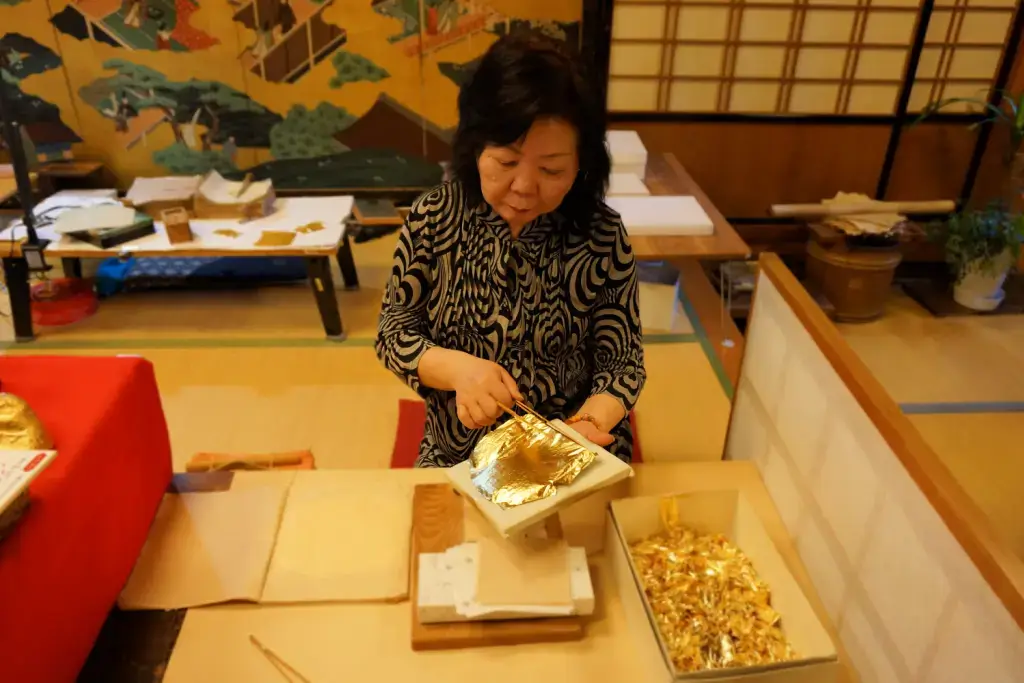
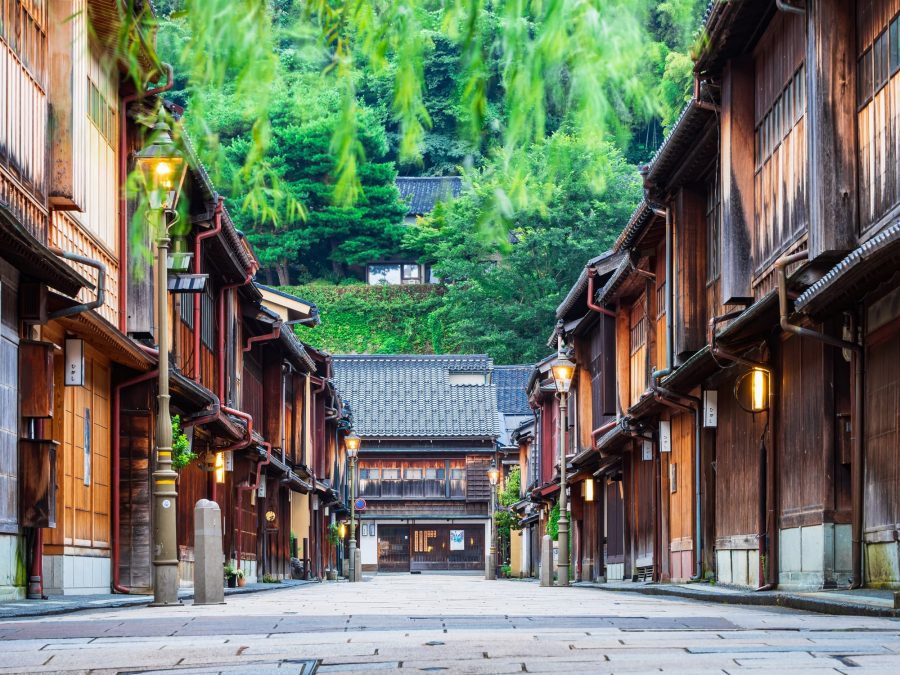
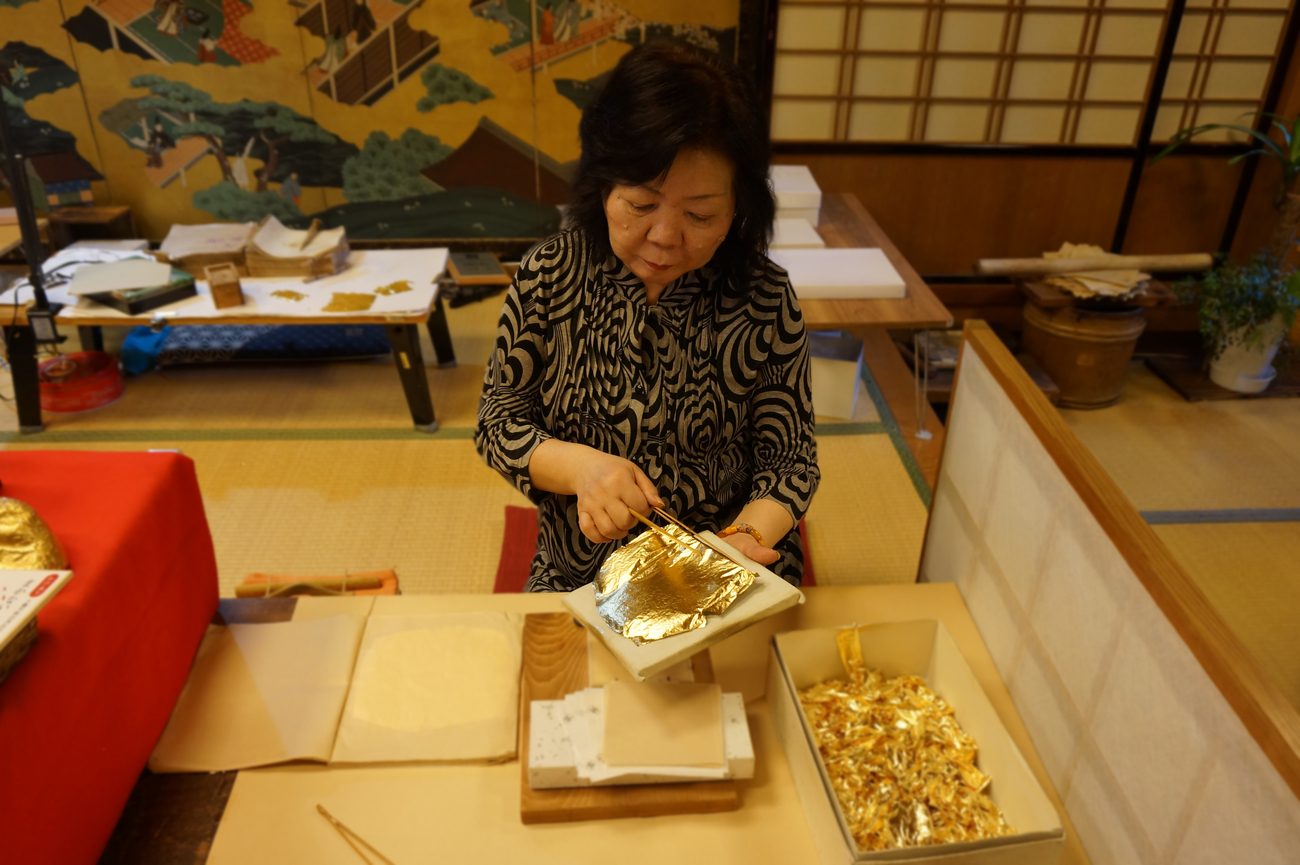
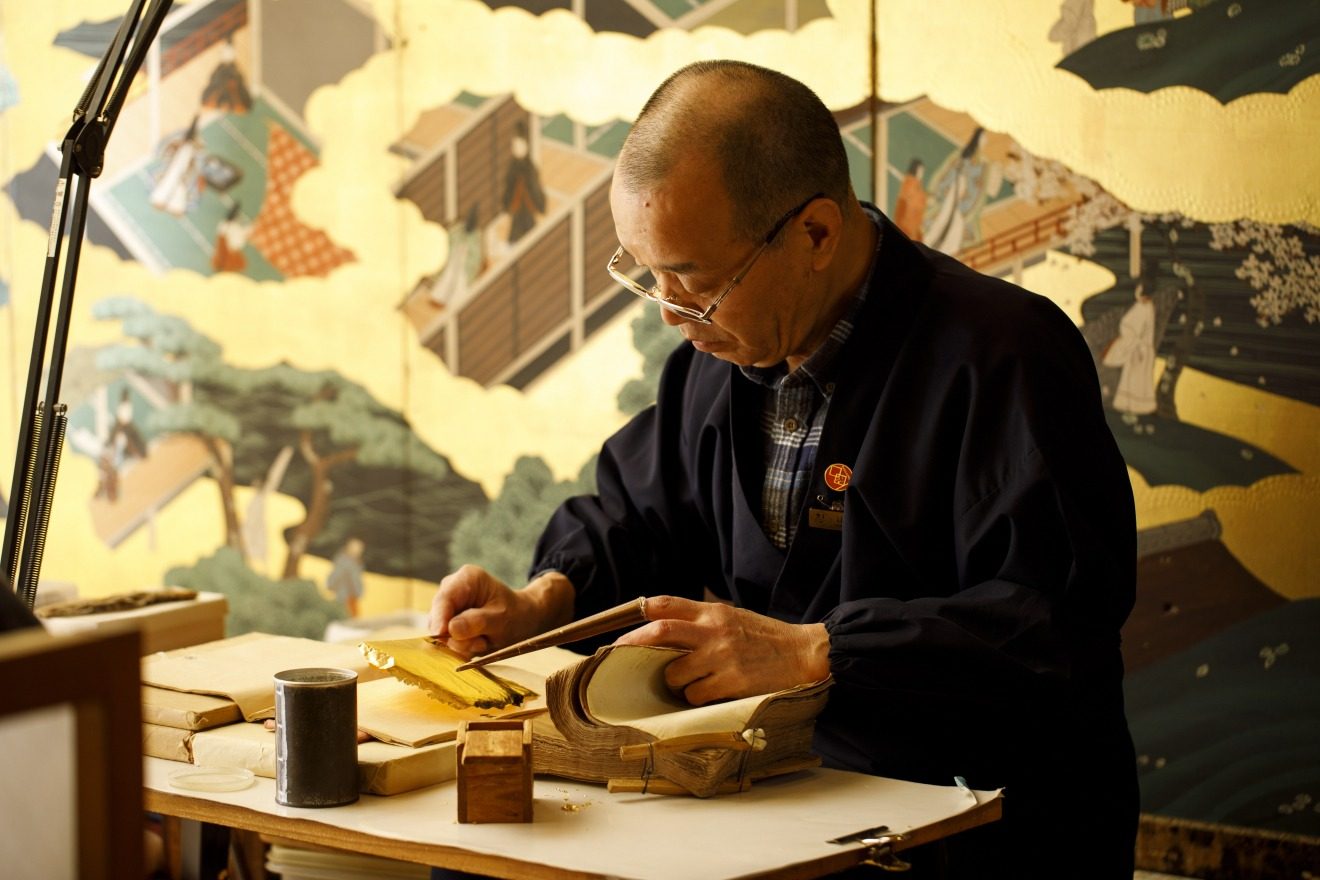
The workshops sit within the preserved teahouse district, where latticed facades and cobblestone lanes survived the 1945 firebombing that leveled much of urban Japan. Hakuichi, founded in 1899, anchors the district's craft revival. Its studio on Higashiyama opens onto a courtyard where apprentices demonstrate the tampo technique — dabbing adhesive through silk screens before pressing gossamer-thin kinpaku onto lacquered surfaces. Visitors work at low wooden tables using camel-hair brushes and bamboo tweezers. The gold arrives in booklets of twenty-five sheets, each weighing less than a breath.
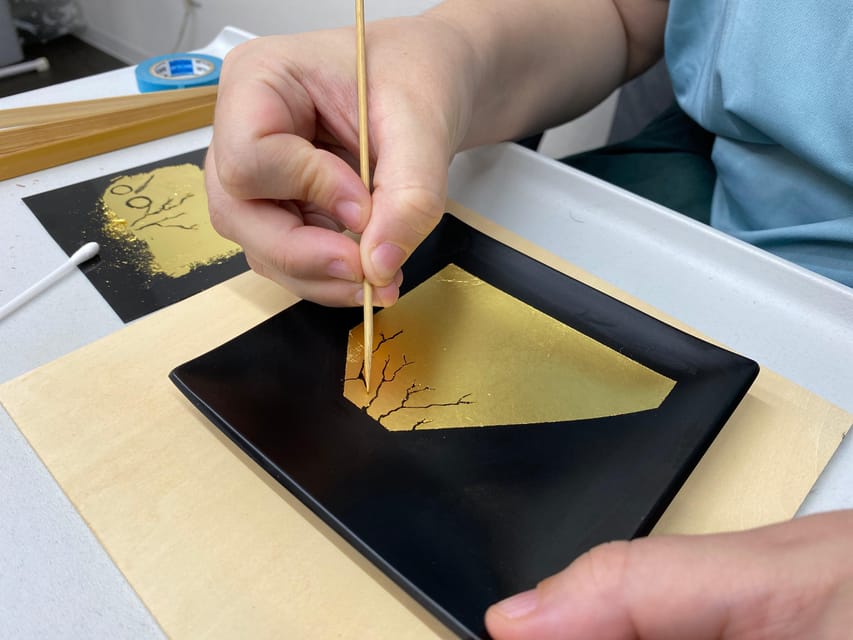
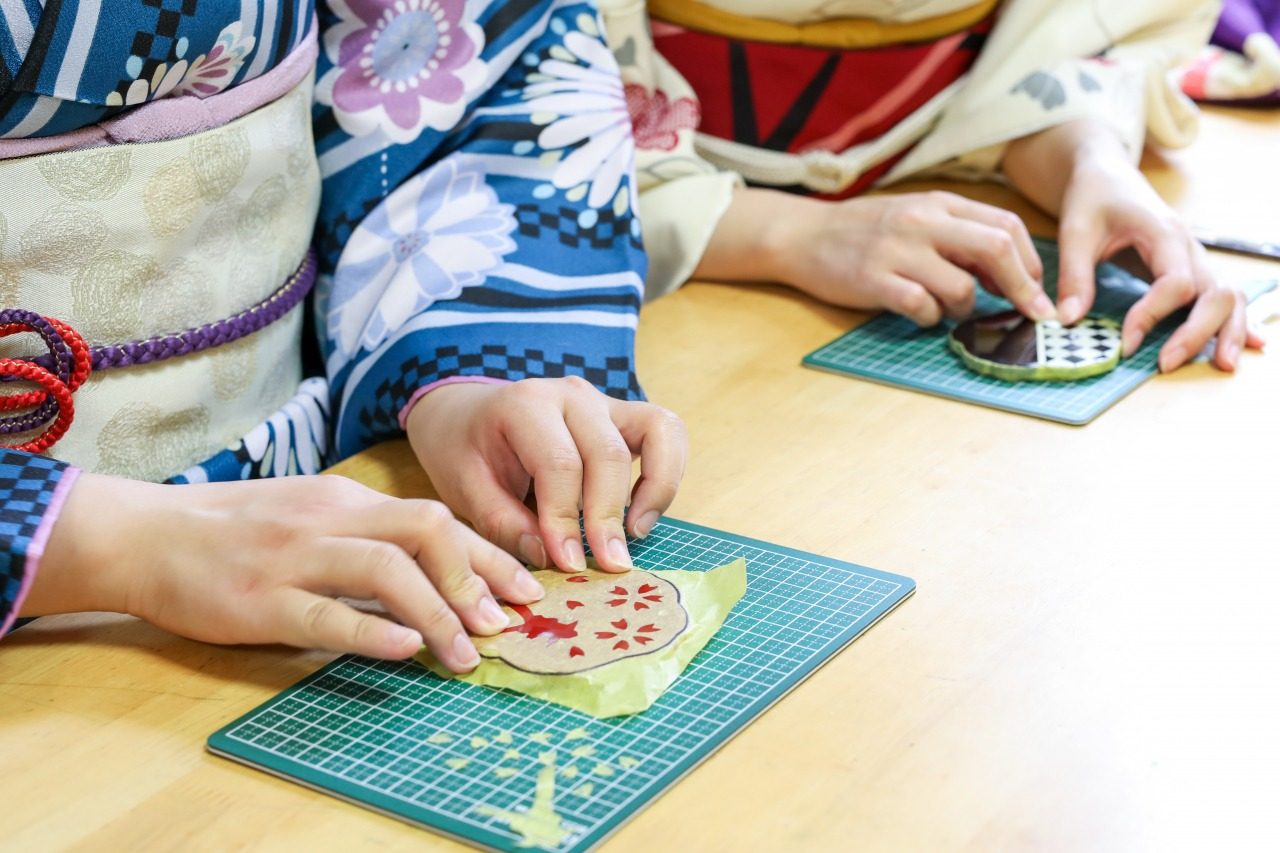
A kanazawa gold leaf craft workshop in higashi chaya tour typically runs ninety minutes. Participants choose a base object — a jewelry box, chopsticks, a ceramic dish — then apply geometric or freeform patterns guided by an instructor. The adhesive, urushi lacquer diluted with rice paste, must dry to a specific tackiness before the leaf adheres without tearing. Mistakes are absorbed into the design. The finished pieces carry home that afternoon, wrapped in washi paper.
Beyond Hakuichi, independent ateliers along Higashi Chaya's back streets offer variants: kinpaku on textiles, gold-dusted cosmetics, edible leaf for sweets. The district's proximity to Kenrokuen Garden and the 21st Century Museum of Contemporary Art makes it a natural stop on cultural itineraries. Most studios occupy former ochaya — exclusive teahouses where patrons once paid in gold itself. The craft workshops honor that circularity, turning Kanazawa's signature metal into participatory memory.

The gold arrives in booklets of twenty-five sheets, each weighing less than a breath.
Casual attire is perfectly acceptable for the kanazawa gold leaf craft workshop in higashi chaya. We recommend comfortable footwear for walking through the historic district.
Large luggage is not recommended inside the shop due to the historic building layout of the kanazawa gold leaf craft workshop in higashi chaya. Please store bulky items at Kanazawa Station lockers if possible.
Photography is permitted in most areas, including during the creation process at the kanazawa gold leaf craft workshop in higashi chaya. Please respect the privacy of other guests and do not photograph restricted museum displays.
The kanazawa gold leaf craft workshop in higashi chaya is family-friendly and open to participants of all ages. Children can easily participate in crafting activities with staff guidance.
The facility is located within a historic district, but the kanazawa gold leaf craft workshop in higashi chaya works to accommodate visitors with accessibility needs. Contact the staff regarding specific mobility requirements.
Eating and drinking are not permitted inside the workshop area of the kanazawa gold leaf craft workshop in higashi chaya. Famous gold leaf ice cream is available for purchase and consumption in designated areas.
Opening Hours
09:00–18:00 daily
Address
1-15-4 Higashiyama, Kanazawa City, Ishikawa Prefecture 920-0831, Japan
Accessibility
Wheelchair-friendly facilities available
Best Arrival
09:00–16:00 (Avoids peak afternoon crowds)
Storage
Limited space; check with staff upon arrival
Location
Higashi Chaya District
Full refunds are available for cancellations made up to 24 hours in advance. Entry to the shop is 0 JPY, though workshop participation fees vary by chosen item.
Recommended time
60 minutes
A 60-minute session is typically sufficient to complete your artisanal project at the kanazawa gold leaf craft workshop in higashi chaya. Planning your kanazawa gold leaf craft workshop in higashi chaya tours for the morning ensures a quieter experience before the historic district reaches peak congestion. If you require extra time for browsing the shop or selecting kanazawa gold leaf craft workshop in higashi chaya tickets for multiple items, consider adding 30 minutes to your itinerary. Observing the delicate application of delicate gold foil requires patience, so allow for a relaxed pace throughout your visit.
Crowd levels through the day
Kanazawa's gold leaf tradition stretches back to the late sixteenth century, when the ruling Maeda clan fostered artisan communities to rival Kyoto's cultural prestige. By the Edo period, Kanazawa produced more than ninety-eight percent of Japan's gold leaf, a dominance it retains today. Craftsmen refined the laborious process of hammering ingots into sheets thinner than human breath, embedding techniques that required humidity control, precise timing, and generational apprenticeship. The Higashi Chaya district, established in 1820 as Kanazawa's licensed entertainment quarter, became a natural showcase for gold leaf artistry. Geisha houses adorned their interiors with gilded screens and lacquerware, and tea ceremony utensils bore delicate gold accents that signaled both taste and patronage. The Meiji Restoration in 1868 threatened to upend this ecosystem. Samurai stipends vanished, aristocratic patronage collapsed, and Western imports flooded Japan's markets. Many Kanazawa workshops shuttered, yet a core of master craftsmen adapted by selling to temples, export firms, and collectors who prized traditional technique. The twentieth century brought further tests: wartime metal rationing halted production entirely between 1943 and 1945, and post-war industrialization lured younger workers away from manual trades. In the 1970s, the kanazawa gold leaf craft workshop in higashi chaya emerged as part of a broader cultural-tourism revival. Local artisans opened their studios to visitors, offering hands-on sessions in gold leaf application—decorating lacquer boxes, chopsticks, and tea caddies—that transformed a dying craft into an accessible experience. Today, the kanazawa gold leaf craft workshop in higashi chaya tours bridge heritage and commerce. Visitors handle genuine edible gold, learn the hammering cycle, and create small gilded objects to take home. The workshops occupy Edo-period machiya townhouses, preserving wooden facades and tatami interiors even as they welcome international guests. Hakuichi, one of the district's anchor retailers, expanded its demonstration space in the early 2000s to meet growing demand for craft tourism. This evolution from aristocratic commission to participatory souvenir has secured Kanazawa's gold leaf legacy, ensuring that the skills once reserved for feudal patrons now reach thousands of curious travelers each year.
Maeda clan invites gold leaf artisans to Kanazawa, establishing the craft under feudal patronage.
Higashi Chaya district officially opens, showcasing gold leaf in geisha house interiors and tea utensils.
Meiji Restoration disrupts samurai patronage; workshops pivot to temple commissions and export markets.
Wartime metal rationing halts all gold leaf production in Kanazawa.
Artisan studios begin offering hands-on gold leaf workshops to revive interest and income.
Hakuichi expands its Higashi Chaya demonstration space to accommodate rising craft-tourism demand.
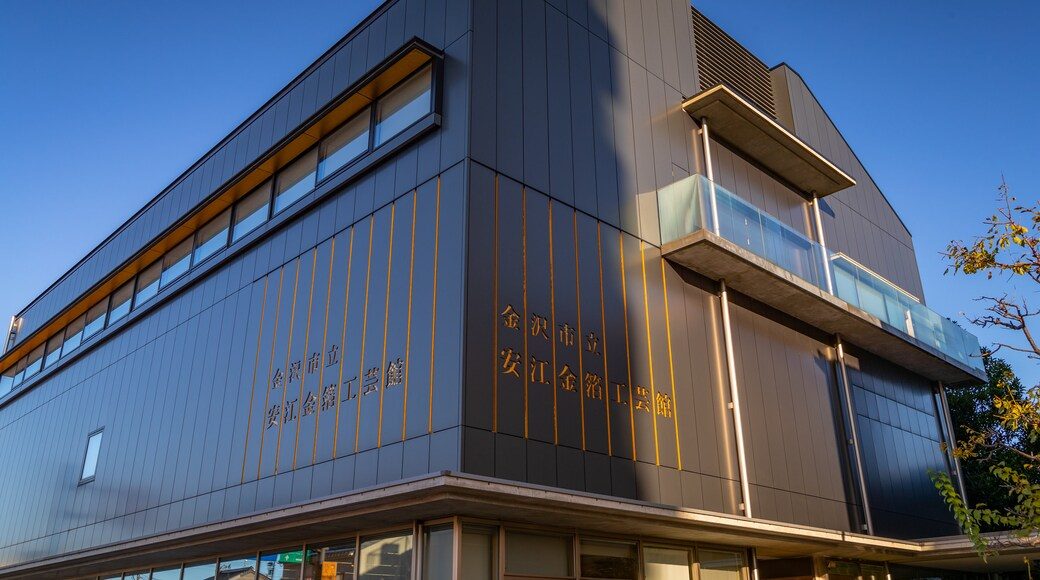
Capture the traditional wooden latticework and the classic streetscape from the cobblestone path directly in front of the entrance. This perspective highlights the preserved architecture of the kanazawa gold leaf craft workshop in higashi chaya.
Shoot a close-up of the delicate gold application process, focusing on the contrast between the vibrant metallic leaf and the artisan tools. These kanazawa gold leaf craft workshop in higashi chaya tours provide excellent access to detailed manual work.
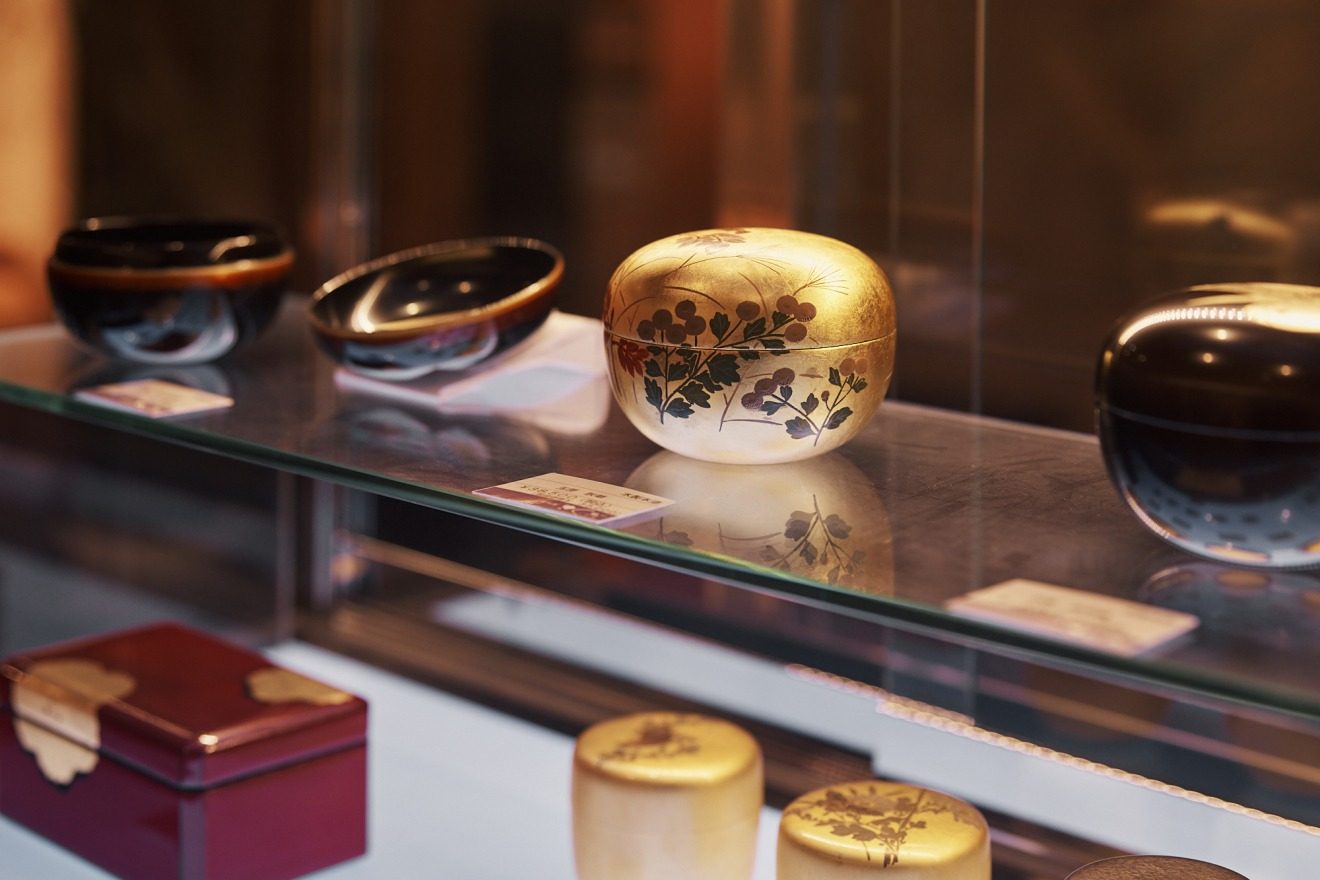
Position yourself to frame the elegant lacquerware and gold-decorated products against the muted, earthy tones of the workshop interior. This area showcases high-quality craftsmanship often featured in a kanazawa gold leaf craft workshop in higashi chaya tour.
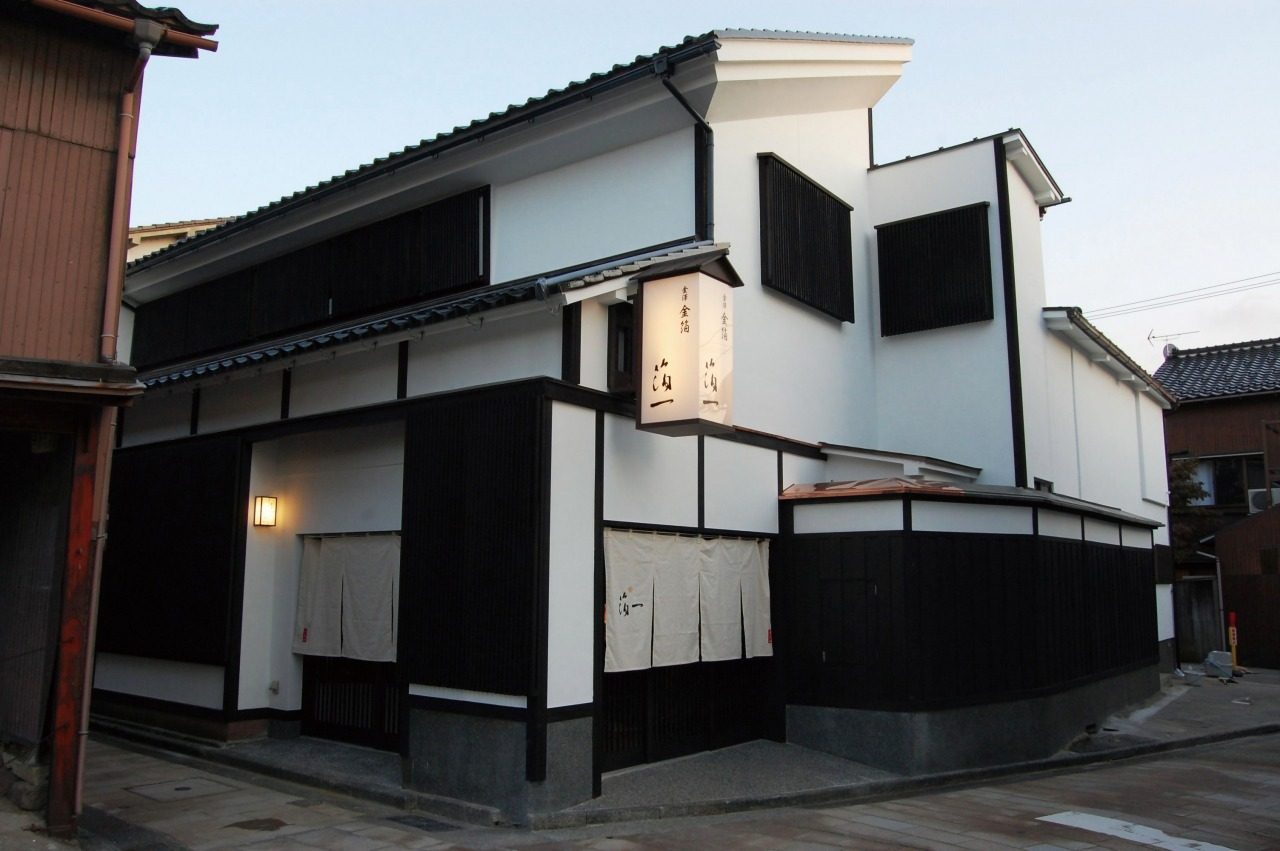
Photograph the storefront signage and warm, welcoming entryway that guests often encounter when using their kanazawa gold leaf craft workshop in higashi chaya tickets. The shot works best when framed to include the hanging noren curtains.
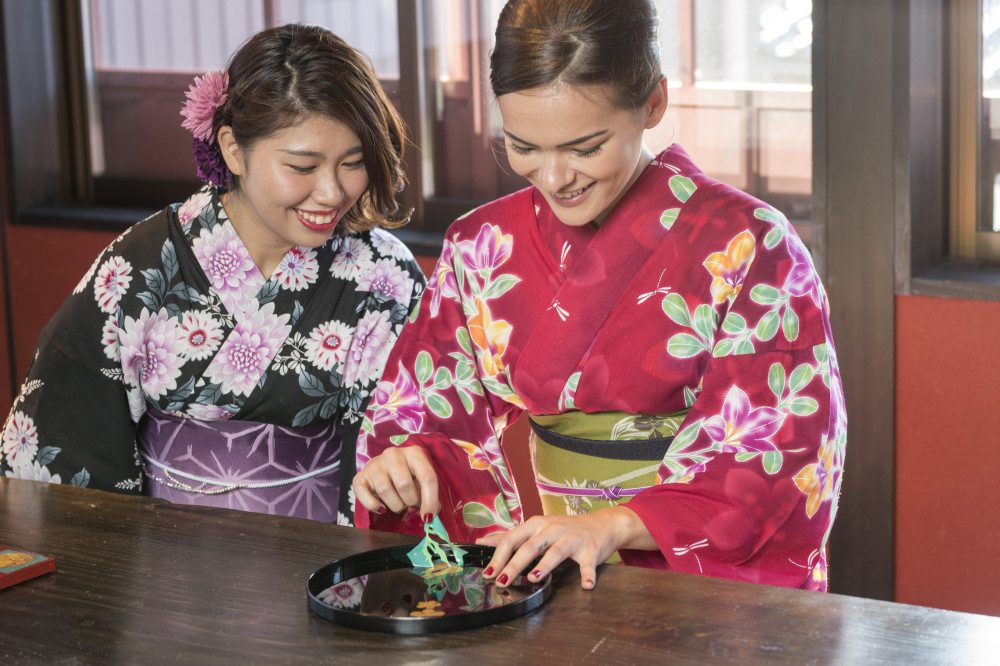
Families visiting the kanazawa gold leaf craft workshop in higashi chaya can enjoy a tactile, hands-on session that is suitable for all ages, offering a creative break while exploring the historic district. This traditional craft provides a quiet, engaging environment where children and adults alike can decorate their own keepsakes.
Due to the historic nature of the traditional machiya architecture, internal spaces can be narrow and often require navigating stairs; please plan to park strollers outside or use a carrier for easier mobility inside the facility.
The experience is designed to be simple and intuitive, making it suitable for all ages; younger children are welcome to participate with adult supervision when handling the delicate, ultra-thin gold leaf materials.
Seating is provided within the studio for the duration of your craft project, allowing families to sit together comfortably while receiving step-by-step guidance from the instructor.
A typical kanazawa gold leaf craft workshop in higashi chaya tour lasts approximately 45 to 60 minutes, which is an ideal duration to keep children engaged before continuing your exploration of the local landmarks.
This indoor activity serves as a perfect escape for families during inclement weather, allowing you to enjoy a cultural experience while staying dry and comfortable away from the elements.
While entrance to the shop is 0 JPY, workshop participation fees vary by chosen item; ensure you have your kanazawa gold leaf craft workshop in higashi chaya tickets ready upon arrival to ensure a smooth start to your session.
The historic Higashi Chaya District offers a variety of traditional tea houses and eateries perfectly suited for a meal after your kanazawa gold leaf craft workshop in higashi chaya. Visitors can easily find local delicacies within a short walk, making it simple to coordinate dining with your kanazawa gold leaf craft workshop in higashi chaya tours.
Enjoy gold leaf adorned soft-serve ice cream right at the workshop location for a quick treat. This spot provides a convenient way to sample local craftsmanship while viewing artisanal products.;Kaikaro
Everything you need to know for your journey
The shop is open from 09:00 to 18:00 daily.
Entry to the shop is 0 JPY; workshop fees depend on the specific craft item selected.
The best time to visit is between 09:00 and 16:00 to avoid afternoon crowds in the Higashi Chaya District.
Yes, the kanazawa gold leaf craft workshop in higashi chaya is child-friendly and suitable for all ages.
Take a bus to the Hashiba-cho stop and enjoy a 5-minute walk to the Higashi Chaya District address.
Yes, advance reservations are recommended to secure your kanazawa gold leaf craft workshop in higashi chaya tour time.
Photography is allowed in the workshop, making it a great way to capture memories at this kanazawa landmark.
Nearby landmarks include the Shima Teahouse and other traditional spots in the historic Higashi Chaya District.
You can receive a full refund if you cancel your kanazawa gold leaf craft workshop in higashi chaya tickets up to 24 hours in advance.
Join thousands of happy travelers who have discovered this incredible experience
Book Your Experience Now