1 hr
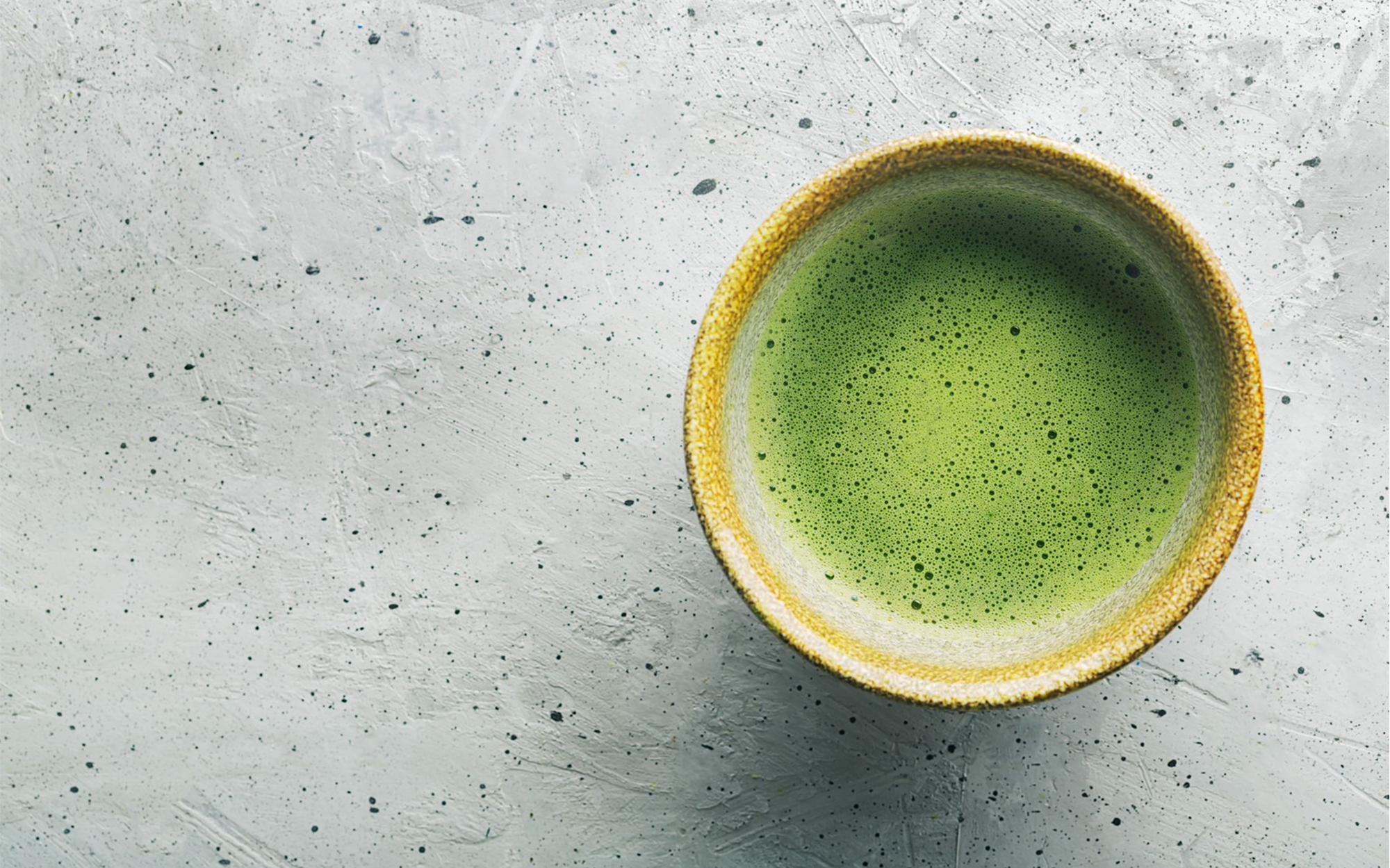
Traditional Tea Ceremony at Kenrokutei in Kenrokuen Garden
- Entry ticket
- Mobile voucher
- Valid same day
- Free cancellation
Kanazawa Gold Leaf Workshop — Hands-On Gilding in Higashiyama
Hammer leaf to ten-thousandth millimeter thinness, gild lacquerware under master artisans
Compare fares, pick the fit — all bookings are mobile-voucher and eligible for free cancellation where shown.
1 hr
5 hr
1 hr
| Experience | From | Duration | Rating | Transfers | Guide | Free cancel. | Price | |
|---|---|---|---|---|---|---|---|---|
|
Standard Entry
Most popular
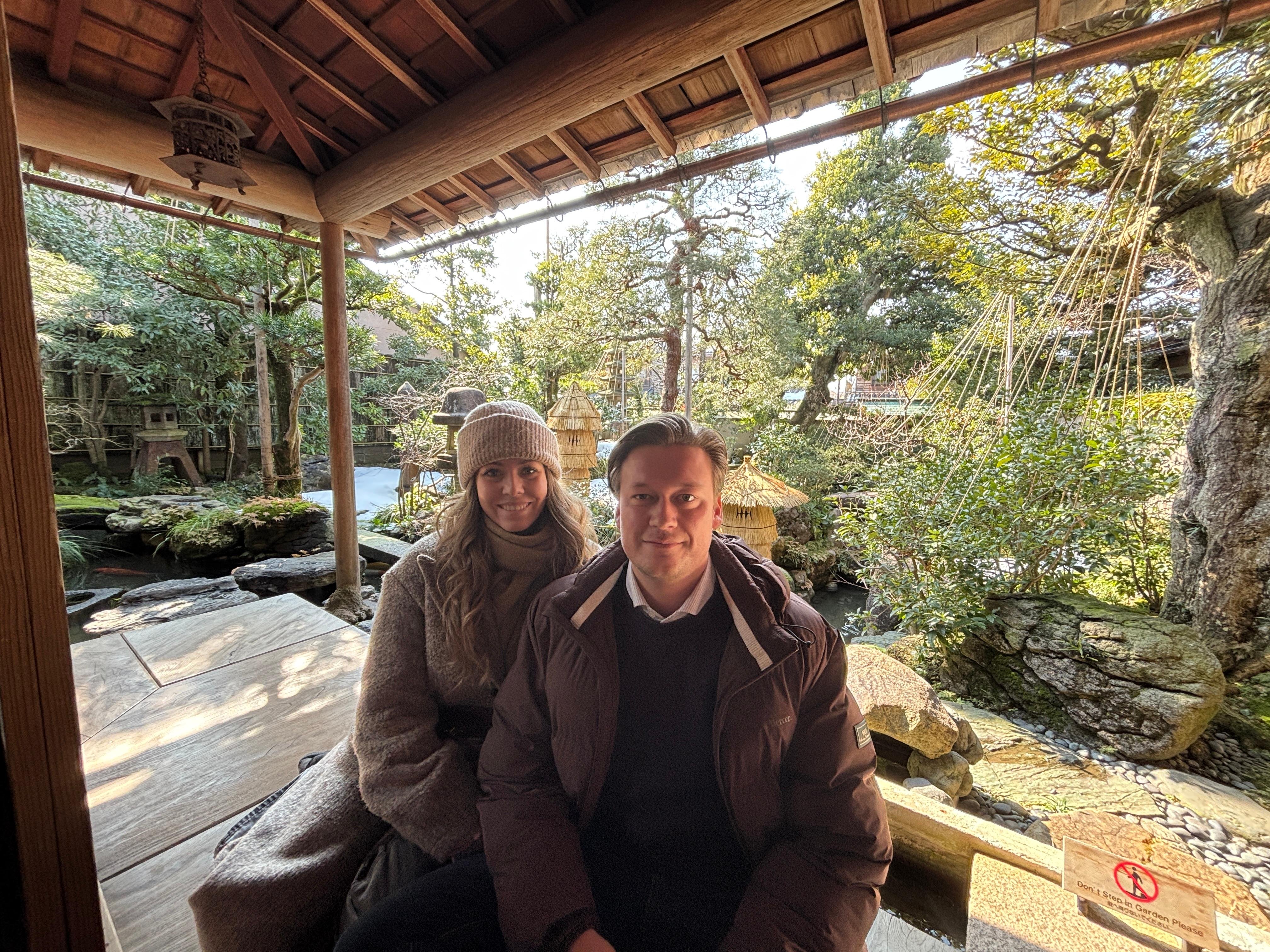
Traditional Tea Ceremony at Kenrokutei in Kenrokuen Garden
|
— | 1 hr | ★ 4.8 | — | ✓ | ✓ | €30 | Book → |
|
Standard Entry
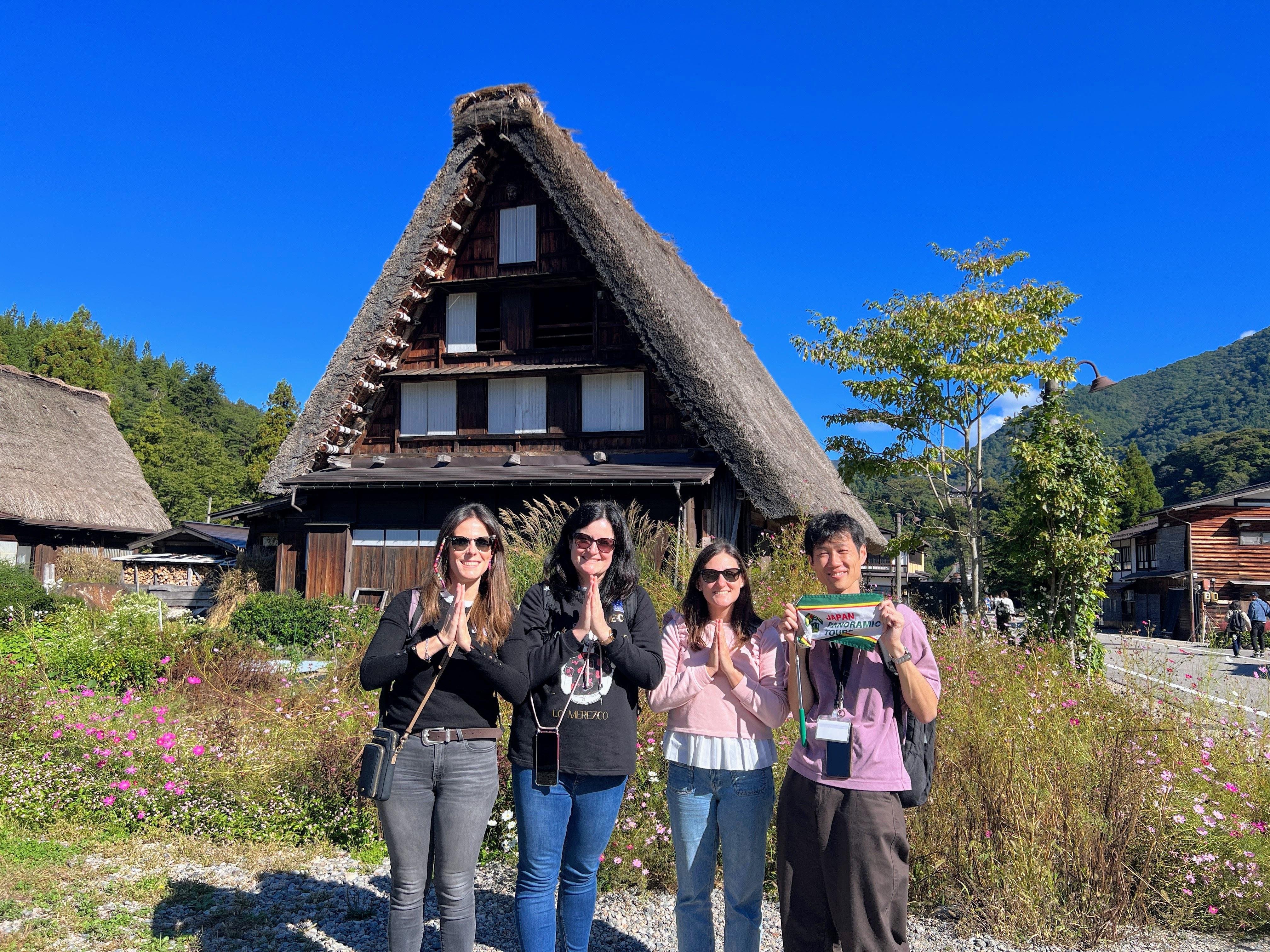
Shirakawa-go UNESCO Village Morning Tour from Kanazawa
|
Kanazawa | 5 hr | ★ 4.9 | ✓ | ✓ | ✓ | €65 | Book → |
|
Standard Entry
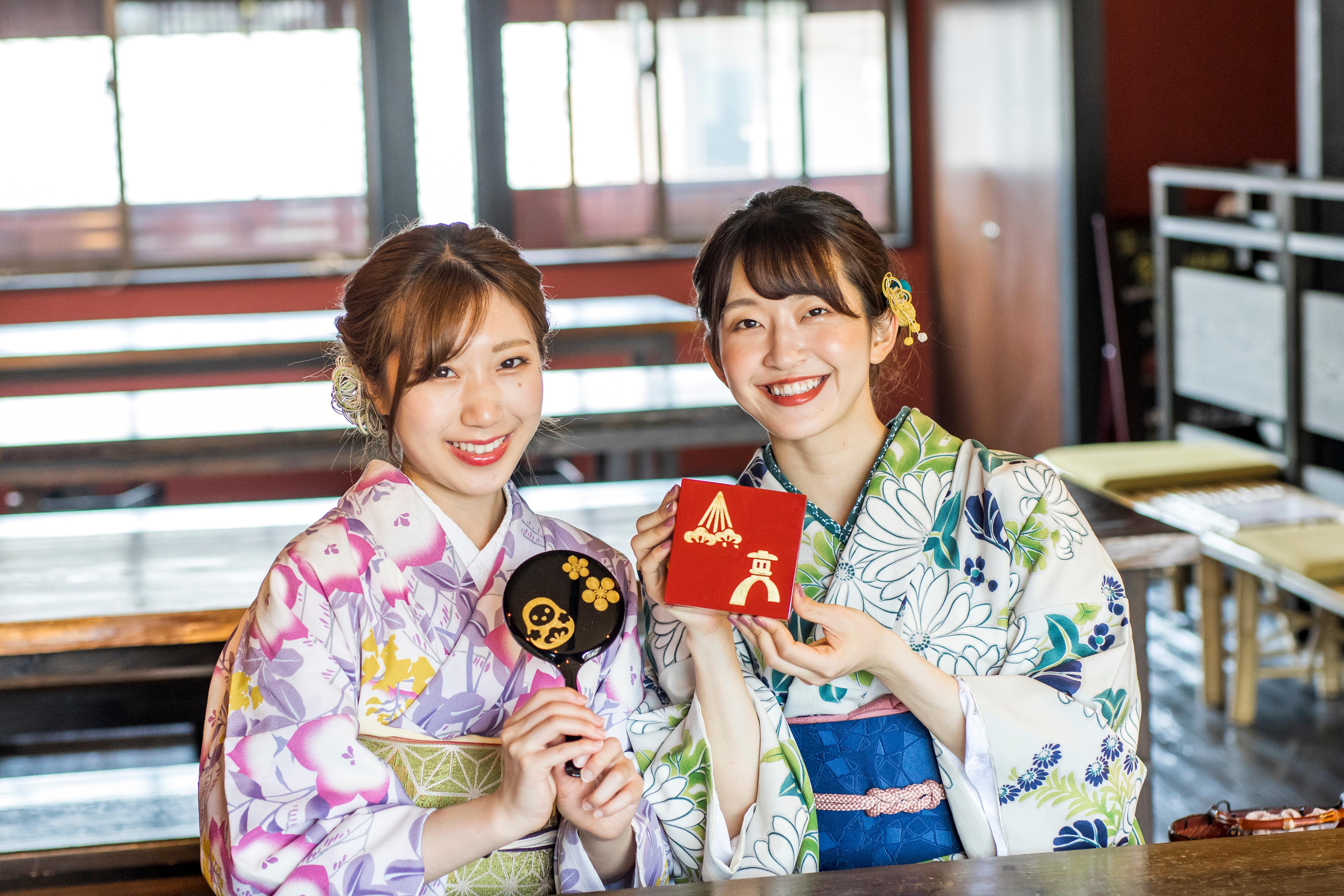
Gold Leaf Crafting Experience in Historic Kanazawa
|
— | 1 hr | ★ 4.7 | — | — | ✓ | €27 | Book → |
Worth it for hands-on craft enthusiasts
The 1,760 yen fee for a kanazawa gold leaf workshop delivers exceptional value when measured against the materials and expertise included. You receive genuine 24-karat gold leaf—the same quality used by professional artisans—plus all base materials, tools, and one-on-one instruction from craftspeople trained in Kanazawa's 400-year gilding tradition. The take-home piece, whether a lacquered box, chopsticks, or mirror, functions as both souvenir and lasting reminder of the city's artisan heritage. For comparison, purchasing a pre-finished gold leaf item of similar quality typically costs 3,000 to 5,000 yen in local shops. The real payoff is tactile: handling the impossibly thin foil, learning controlled breath techniques to prevent tearing, and understanding why Kanazawa produces 99% of Japan's gold leaf. Craft-curious travelers and those seeking interactive cultural experiences will find the workshop tours justify the cost. Passive sightseers who prefer observing to making may find less value in the hands-on format.
Bottom line: At 1,760 yen, the kanazawa gold leaf workshop tickets offer measurable value for anyone willing to create rather than simply observe.
The Sakuda facility provides a structured environment for those booking kanazawa gold leaf workshop tours, while smaller boutique studios in the Higashi Chaya district offer a more intimate, artisanal craft experience.
|
Top pick Sakuda Workshop |
Boutique Studios | |
|---|---|---|
| Studio size | Large commercial facility | |
| Variety of crafts | Broad range of items | |
| Workshop atmosphere | Structured and efficient | |
| Historical ambiance | Modernized traditional house | |
| Guided instruction level | Step-by-step professional guidance | |
| See tickets & prices |
Verdict: Choose Sakuda if you prefer reliable kanazawa gold leaf workshop tickets and systematic teaching, or opt for a boutique studio if you seek a personalized kanazawa gold leaf workshop tour in a quiet, traditional setting.
Hand-picked experiences loved by thousands of travelers
2.5 hours
Free Cancellation
Learn authentic sushi-making and regional dishes at a historic cooking academy near the station
2.5 - 3 hours
Free Cancellation
Discover feudal Japan through castle grounds, preserved samurai streets, and stunning gardens
1–1.5 hours
Free Cancellation
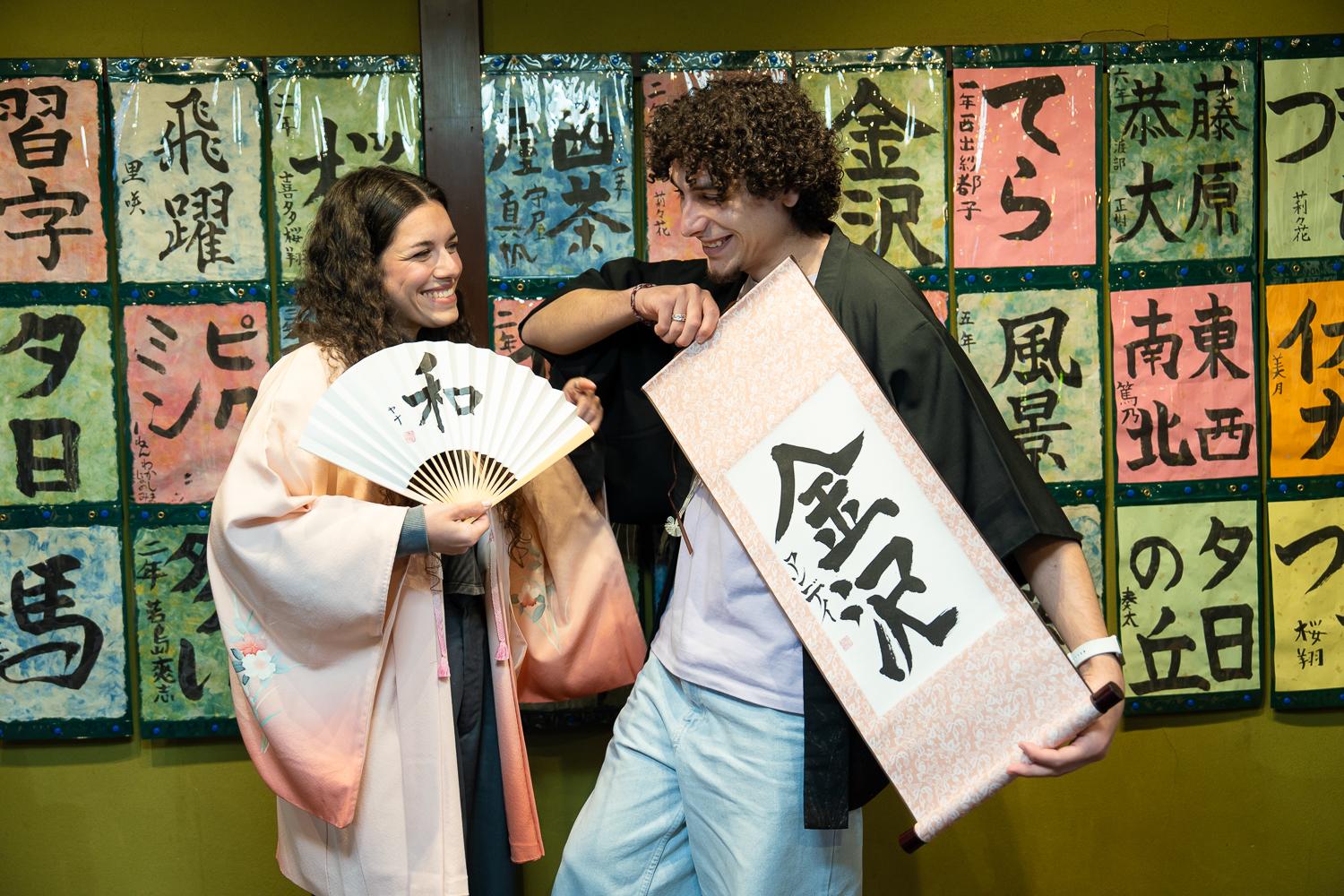
Immerse yourself in the meditative art of brush writing at a century-old traditional house
1 hour
Free Cancellation
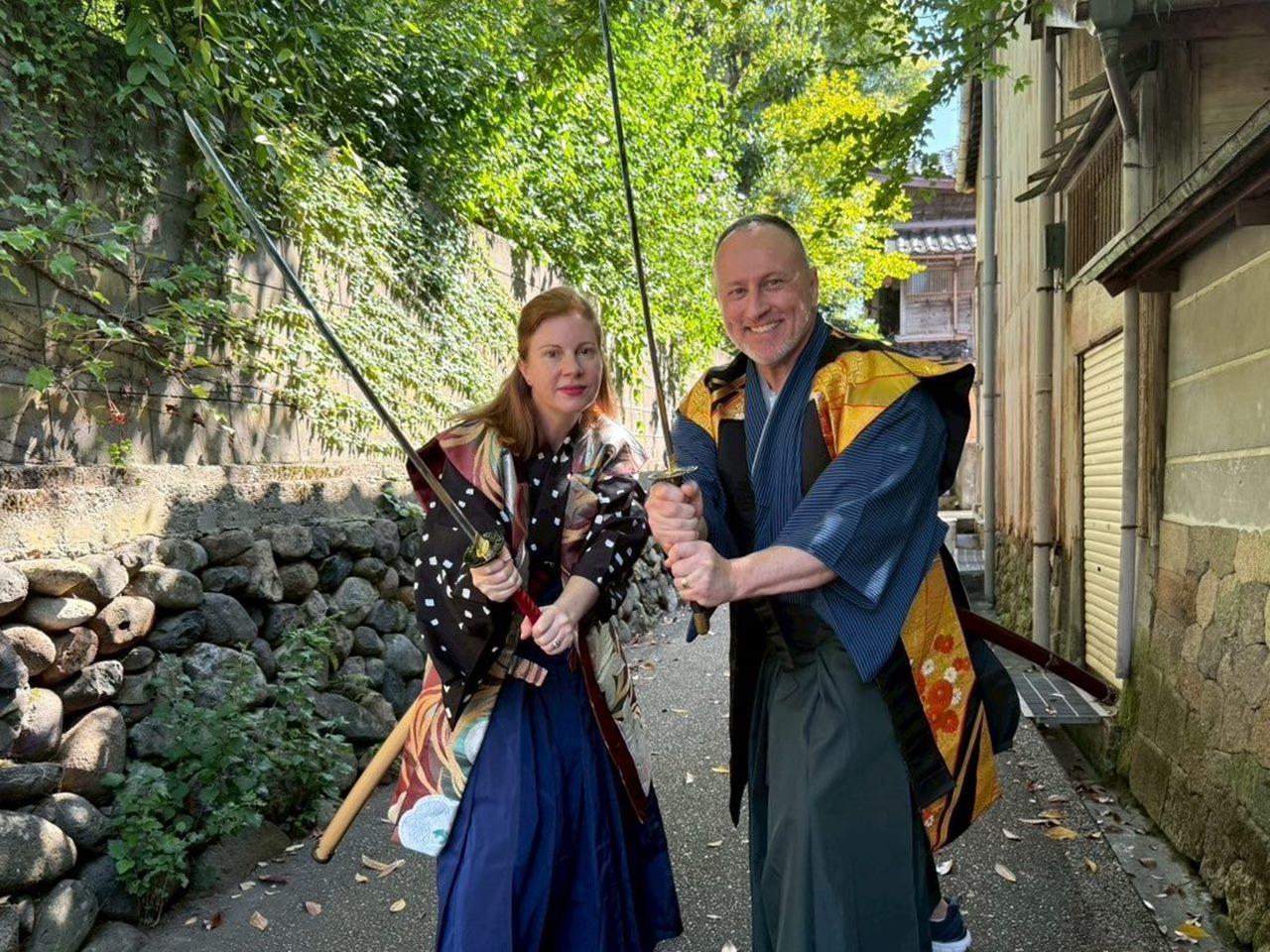
Master traditional Japanese swordsmanship in authentic samurai attire at a centuries-old temple
3 hours
Free Cancellation
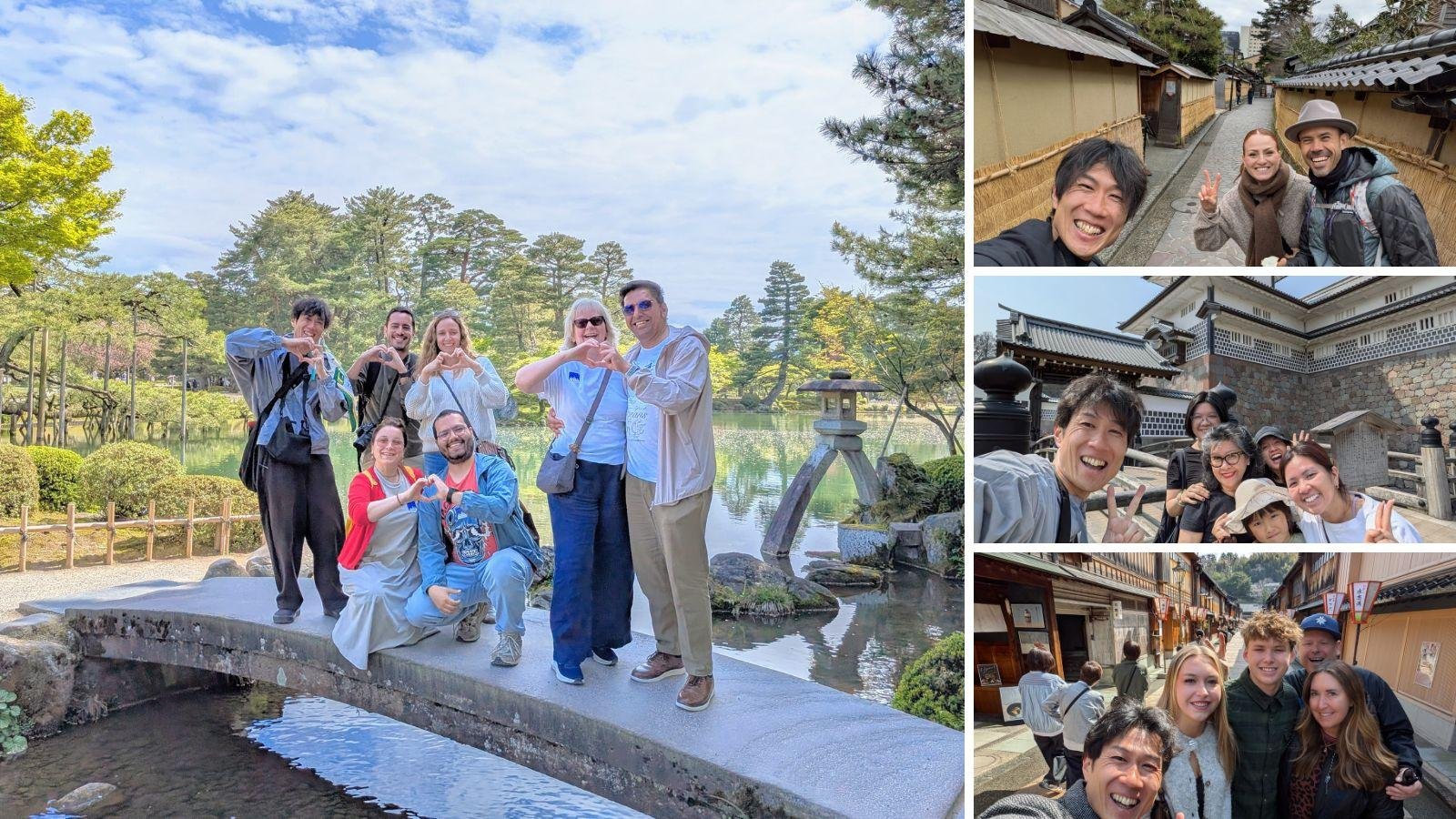
Explore Kanazawa's top four heritage sites in a single morning with storytelling that connects history and culture.
2.5 hours
Free Cancellation
Discover traditional teahouses, craft your own golden keepsake, and savor matcha at a 400-year-old shop
2 hours
Free Cancellation
Create your own hand-dyed textile art using centuries-old Japanese techniques at a historic studio
Full day (approximately 7-8 hours)
Free Cancellation
Craft delicate gold leaf art, roll your own sushi, and explore Kanazawa's markets and shrines with a guide
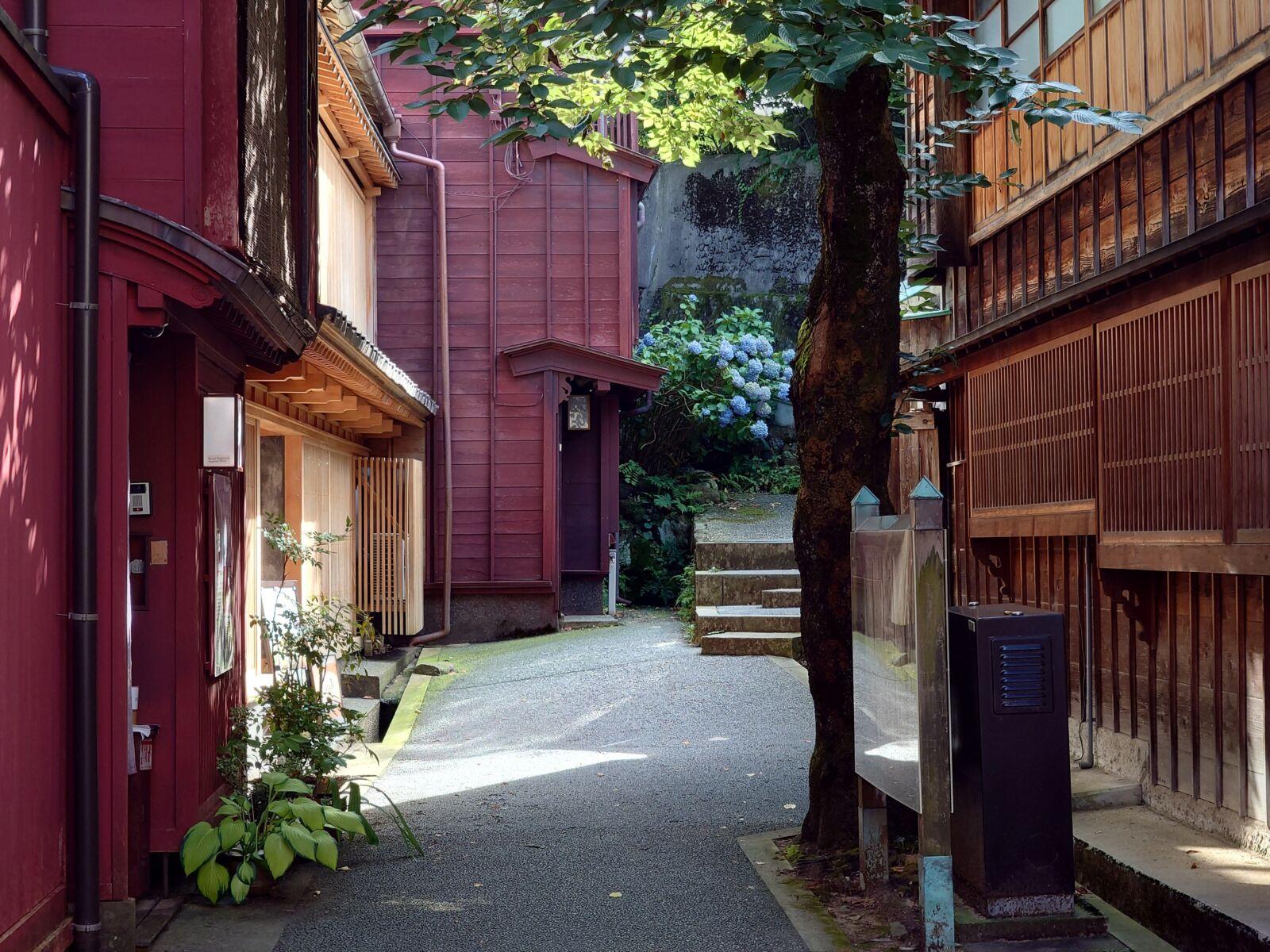
You arrive at the machiya entrance in Higashiyama at nine, when morning light slants through the wooden lattice and the street is quiet. An artisan in indigo cotton greets you at the threshold and leads you to a low worktable set with bamboo tools, silk brushes, and a stack of practice leaf shimmering under paper.
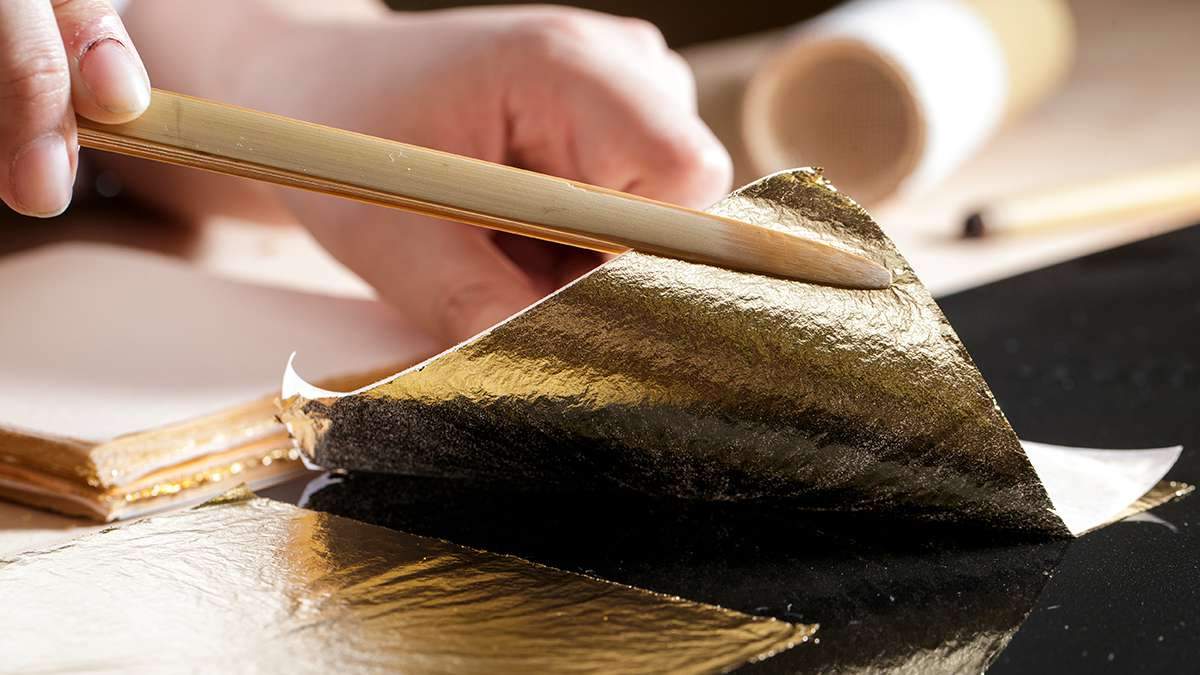
You begin by learning to cut—holding your breath, you draw a bamboo blade through a sheet no thicker than a breath, watching it separate cleanly along the grain.
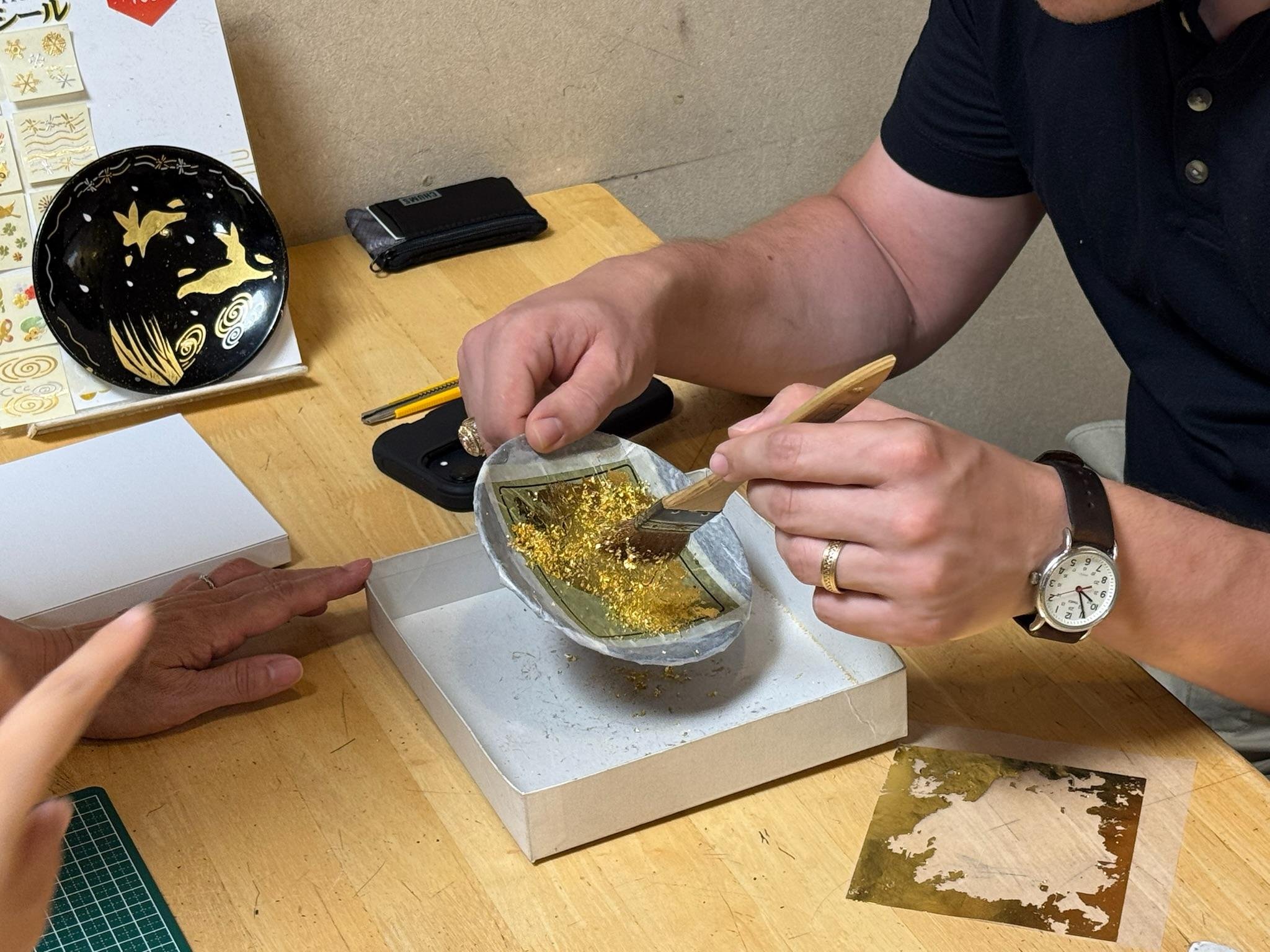
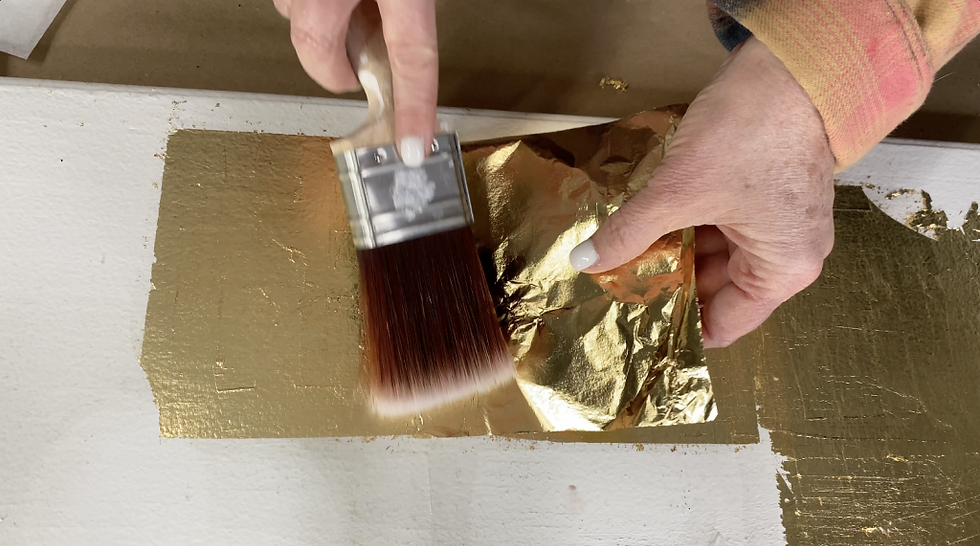
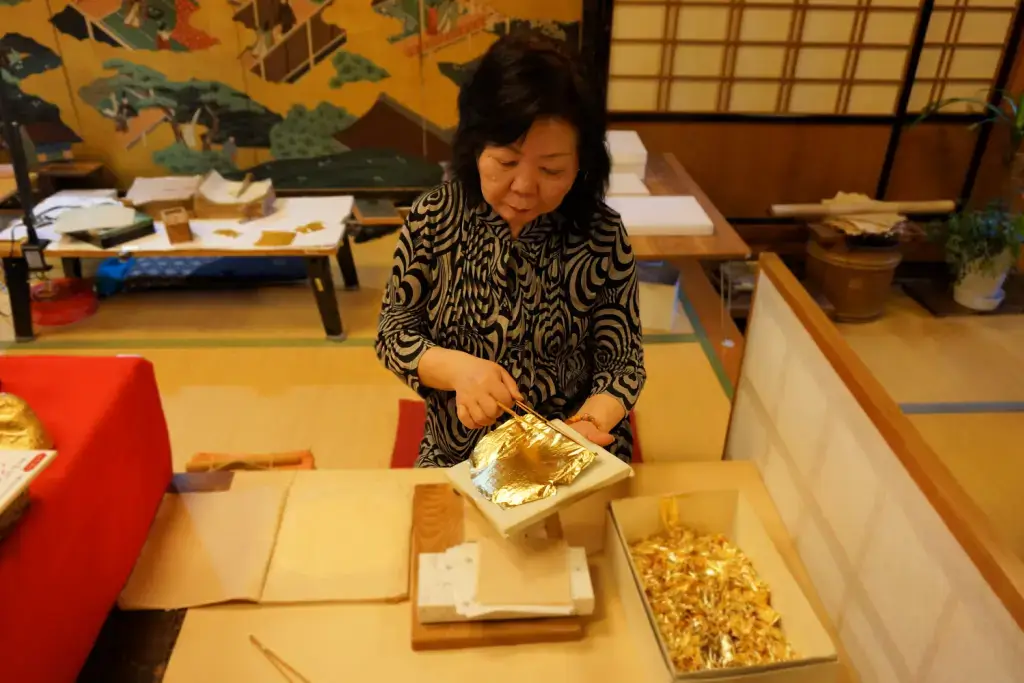
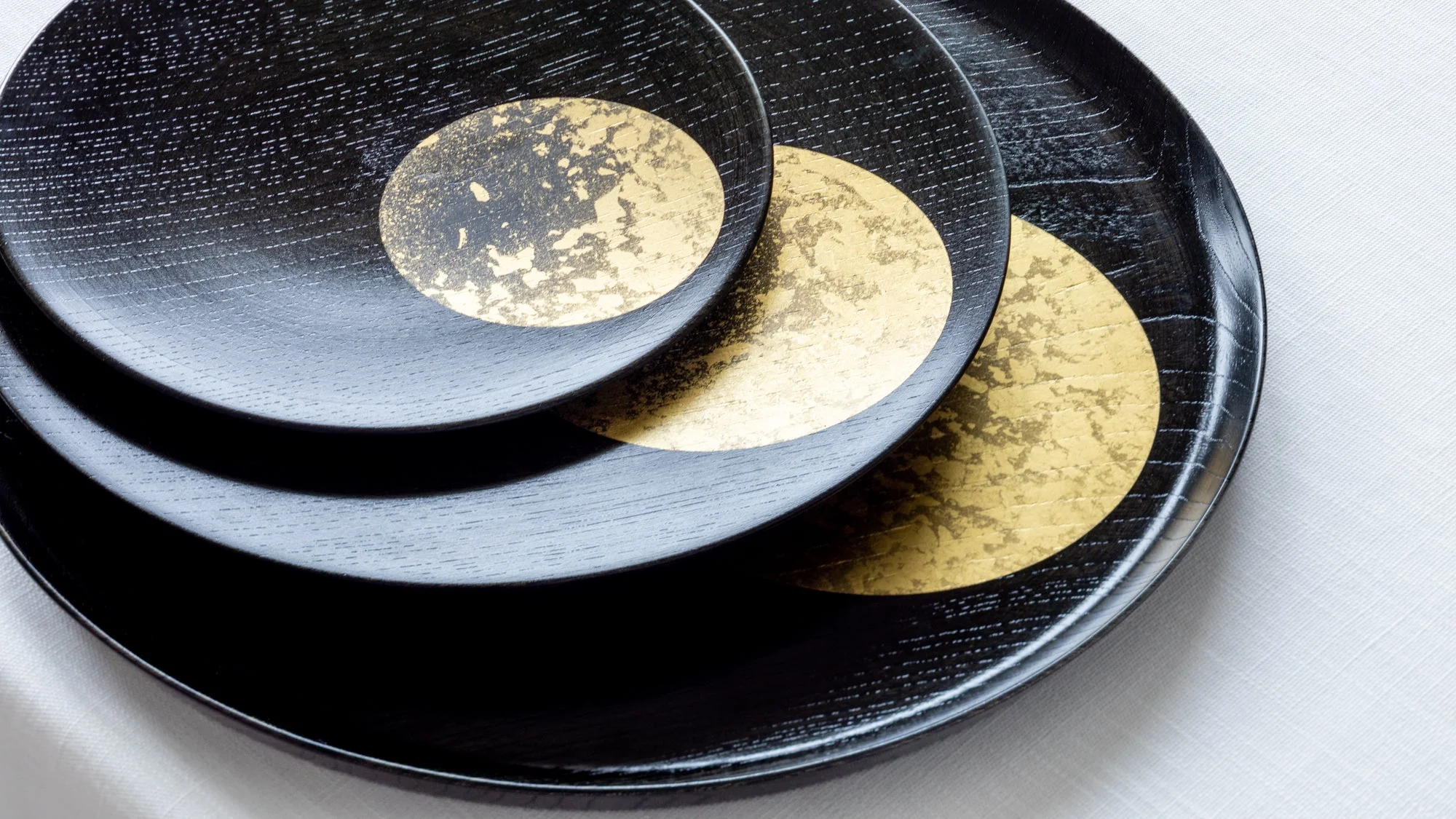
Next comes sizing. You brush persimmon-tannin adhesive onto a small lacquer tray, the artisan correcting your wrist angle so the coating spreads without pooling. Once tacky, you lift a sheet of gold leaf with a wide flat brush, the metal clinging to the bristles by static alone, and lower it onto the tray in a single motion. The artisan shows you how to burnish with silk-wrapped cotton, pressing until the leaf fuses and the black lacquer beneath vanishes under a flawless gilt mirror. You repeat the process on a second surface—chopsticks or a compact—gaining confidence with each sheet.
The session ends with a demonstration of hakuoshi, where the artisan presses leaf onto a curved ceramic form, the gold conforming to every ridge without tearing. You leave at ten-thirty with your finished piece wrapped in rice paper, the completed work catching every angle of daylight as you walk back through the teahouse lanes.
All the details about your upcoming adventure in one place
Learn the traditional craft of kinpaku (gold leaf) at a kanazawa gold leaf workshop, where Kanazawa produces over 99% of Japan's gold leaf. These hands-on sessions teach gilding techniques passed down through generations, allowing you to create decorative objects using authentic materials. Kanazawa gold leaf workshop tours include instruction from master artisans in the historic Higashiyama district.
Kanazawa produces 99 percent of Japan's gold leaf, a supremacy rooted in the city's humid climate, which prevents the gossamer sheets from cracking during production.
The craft arrived in the late sixteenth century when Maeda Toshinaga invited leaf-beaters from Kyoto to supply lacquerware artisans serving the ruling clan. By the Edo period, Kanazawa's workshops had perfected a technique that stretches a single gram of gold into a square meter of leaf one ten-thousandth of a millimeter thick—thin enough to transmit light yet durable enough to adhere to ceramics, textiles, and temple roofs for centuries.
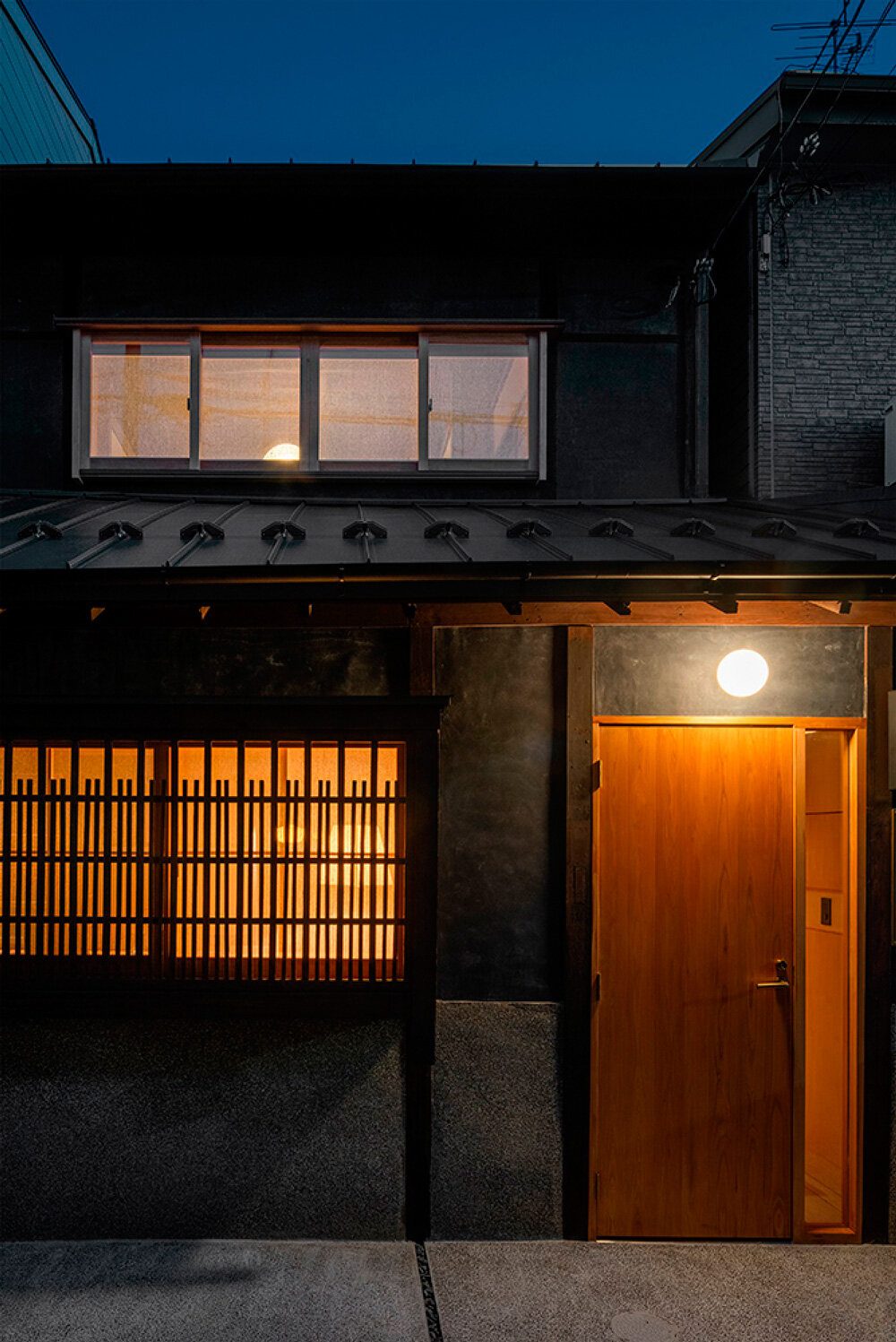
Today the Kanazawa gold leaf workshop in Higashiyama sustains that lineage. The atelier occupies a machiya townhouse steps from the preserved teahouse district, its latticed facade unchanged since the Meiji era. Inside, the rhythmic strike of wooden mallets on leather pouches—the sound of leaf being beaten flat—echoes the same cadence heard in sixteenth-century studios. Visitors work beside third- and fourth-generation artisans who regulate humidity to within five percent and time each hammering interval to the second. The workshop's lacquerware blanks come from Wajima, its adhesive sizing from aged persimmon tannin, its transfer paper from mulberry bark processed in Echizen. Every material reflects Hokuriku's craft ecosystem.
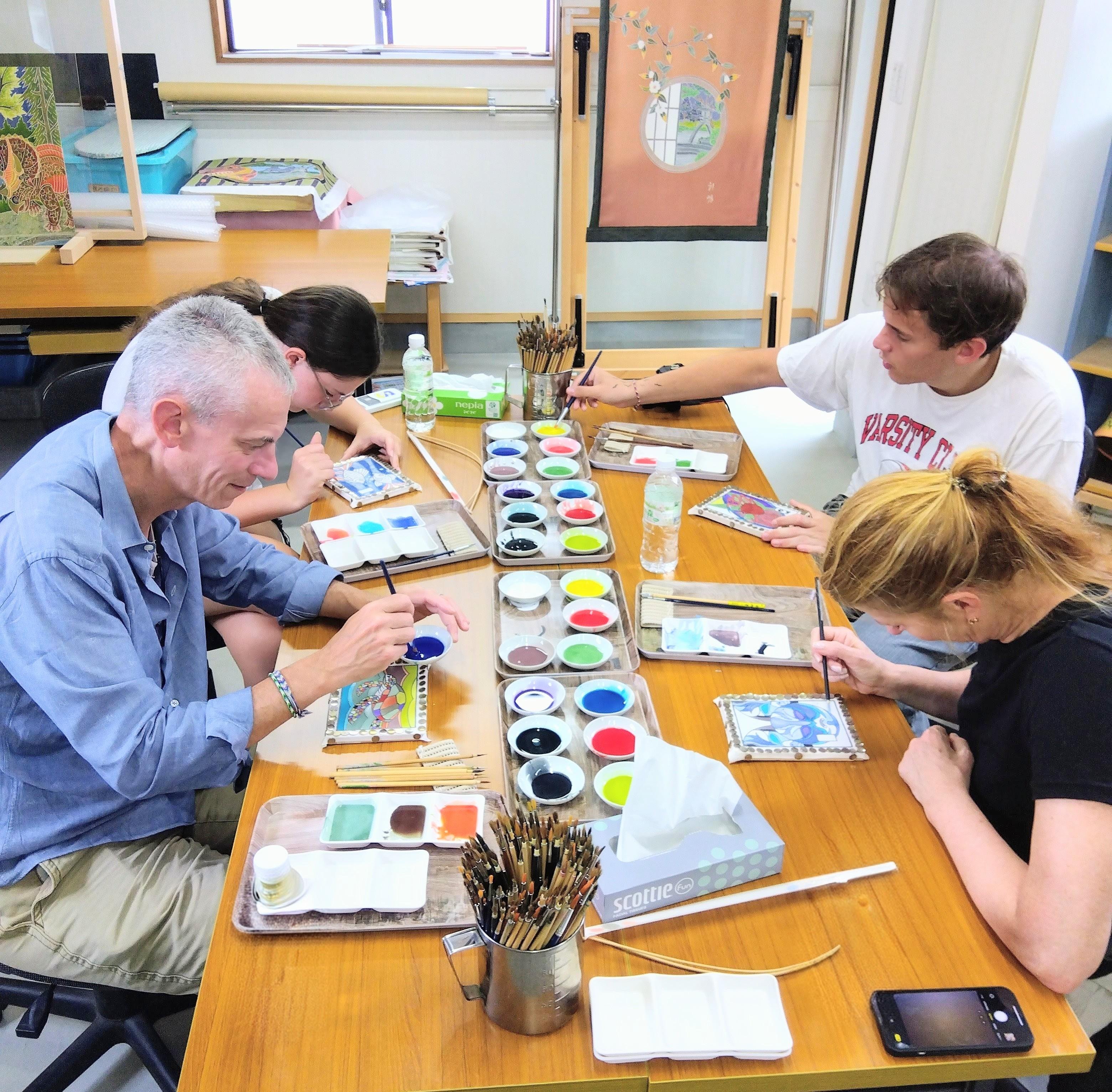
The best gold leaf workshop Kanazawa offers teaches not only application but the physics of thinness. Participants begin by cutting practice sheets with bamboo blades, learning to exhale away from the leaf lest breath scatter it. They then apply sizing to a lacquer tray or chopstick rest, lay the leaf with a wide brush, and burnish it with silk-wrapped cotton until the surface mirrors the ceiling beams. The gold leaf craft workshop Kanazawa price includes all materials and a completed piece to carry home. Instructors demonstrate hakuoshi—pressing leaf onto three-dimensional forms—and explain why Kanazawa's winter fog, drifting in from the Japan Sea, creates the optimal moisture envelope for beating without modern humidifiers.
Searching kanazawa gold leaf workshop reddit threads or travel forums frequently surfaces the Higashi Chaya location as the most authentic. The workshop has trained apprentices who now supply leaf to Kyoto's temple restorers and Tokyo's avant-garde pastry chefs who crown desserts with edible gold. The studio doubles as a small gallery where framed samples show gradations from deep karat yellow to the palest champagne achieved by alloying with trace silver. On clear mornings, sunlight through the shoji screens strikes displayed leaf and casts amber lozenges across the tatami, a reminder that this craft has always been about controlling light itself.

A single gram of gold becomes a square meter of leaf one ten-thousandth of a millimeter thick—thin enough to transmit light, strong enough to last centuries.
Casual attire is recommended for the kanazawa gold leaf workshop. Since you will be handling delicate materials, avoid loose sleeves or clothing that may attract static electricity.
Secure your bags in designated storage areas to keep the workspace clear. The kanazawa gold leaf workshop staff may ask you to store large backpacks prior to starting your project.
Photography is permitted throughout the kanazawa gold leaf workshop. Please be respectful of other guests and refrain from using flash during the instruction process.
Families are welcome to attend the kanazawa gold leaf workshop together. Children should be supervised at all times when handling delicate gold leaf materials.
The facility is designed for accessibility, allowing guests to participate in the kanazawa gold leaf workshop comfortably. Contact the facility directly if you require specific assistance.
Food and drink are not permitted inside the workshop area to preserve the quality of the gold leaf. You may store your belongings before beginning your kanazawa gold leaf workshop session.
Opening Hours
09:00–17:00
Address
1-3-27 Higashiyama, Kanazawa-shi, Ishikawa-ken, Japan
Facility Access
Wheelchair accessible workshop areas
Best Arrival
09:00–16:00
Storage
Limited space available for personal belongings
Local Area
Located in the historic Higashi Chaya district
Public transport · 10 min · 200 JPY
Take the Kanazawa Loop Bus to the Hashibacho stop and walk 5 minutes.
Cancellations must be made prior to the scheduled session. The 1,760 JPY entrance fee may be non-refundable if notice is not provided in advance.
Recommended time
90 minutes
A kanazawa gold leaf workshop visit typically requires 60 minutes for the crafting process, with an additional 30 minutes recommended to explore the facility and browse the artisanal displays. To ensure a smooth experience, the best arrival window is 09:00–16:00, which helps you bypass peak afternoon foot traffic in the Higashi Chaya district. Booking kanazawa gold leaf workshop tours during these hours allows for a relaxed pace, while securing kanazawa gold leaf workshop tickets in advance is advisable for those planning specific travel schedules.
Crowd levels through the day
Weather · crowds · average price — dots go green to amber to red as each metric rises.
Mild temperatures make walking through the Higashi Chaya district pleasant for visiting the kanazawa gold leaf workshop.
Book your kanazawa gold leaf workshop tickets in advance to ensure availability.
1-3-27 Higashiyama, Kanazawa
Follow signs inside the gold leaf store.
Get directionsGold leaf production in Kanazawa traces its origins to the late 16th century, when the ruling Maeda clan actively patronized craftsmen and encouraged the development of luxury arts. By the 1590s, artisans had begun refining techniques to hammer gold into sheets thin enough to adorn temple interiors and lacquerware. The Tokugawa shogunate's 1614 decree restricting gold leaf manufacture to Edo and Kyoto forced Kanazawa workshops underground. Craftsmen continued production in secret, passing techniques through family lines despite official prohibition. This clandestine period paradoxically preserved traditional methods that disappeared in authorized centers. The Meiji Restoration of 1868 lifted legal restrictions, and Kanazawa gold leaf workshops resumed open operation. By 1900, the city supplied over ninety percent of Japan's domestic gold leaf, a dominance rooted in the region's humid climate—moisture levels that kept sheets pliable during the hammering process. The 1950s introduced mechanized beating equipment, yet master artisans at workshops like Sakuda Gold Leaf maintained hand-hammering for premium products. Modern kanazawa gold leaf workshop tours allow visitors to observe the multi-stage process: gold alloyed with silver and copper is rolled, then beaten between layers of specialized paper for three to four hours until it reaches 0.0001 millimeters in thickness. Today's kanazawa gold leaf workshop experiences serve dual functions—commercial production and cultural preservation. The city's artisans hammer roughly 1.8 million sheets annually, supplying restoration projects at Kyoto temples and contemporary art installations worldwide. Workshops integrate tourists into this continuum by teaching gilding techniques on lacquer boxes and ceramics. The 2015 opening of the Kanazawa Gold Leaf Museum formalized the craft's heritage status, yet hands-on kanazawa gold leaf workshop tickets remain the primary access point for understanding a technique unchanged in its essentials since the Edo period.
Maeda clan patronage establishes gold leaf production in Kanazawa castle town workshops.
Tokugawa shogunate bans gold leaf manufacture outside Edo and Kyoto; Kanazawa artisans continue work secretly.
Kanazawa workshops produce over 90% of Japan's gold leaf, leveraging humid regional climate.
Mechanized beating equipment introduced, though hand-hammering persists for premium leaf.
Kanazawa Gold Leaf Museum opens, formalizing the craft's cultural heritage designation.
The Higashi Chaya district surrounding your kanazawa gold leaf workshop offers a rich array of traditional teahouses and refined eateries. After finishing your kanazawa gold leaf workshop tour, you will find several charming establishments just a short stroll away perfect for experiencing local flavors.
Enjoy high-quality matcha and Japanese sweets inside a historic wooden machiya structure. It provides a peaceful setting to reflect on your kanazawa gold leaf workshop tickets while observing preserved architectural details.
Real experiences from real travelers
We spent two hours learning the kinpaku application technique from a fourth-generation artisan. The gold leaf workshop in Kanazawa provided tools and patient instruction while we decorated our own small lacquer boxes. Watching professionals work with sheets thinner than paper was mesmerizing.
This kanazawa gold leaf workshop tour exceeded expectations with its intimate setting and authentic methods. Our guide explained the 400-year tradition of beating gold into sheets one ten-thousandth of a millimeter thick. The finished pieces we created are now kitchen treasures.
Booked last minute during unseasonable rain and discovered this gem in the Higashiyama district. The workshop space smells of cedar and lacquer, and the artisans work with astonishing precision. Learning to handle gold leaf without tearing it taught me new respect for traditional Japanese crafts.
The two-hour session at this kanazawa gold leaf workshop covered both observation and practice. I appreciated the explanation of how Kanazawa's humid climate prevents static electricity, making it ideal for kinpaku production. My gilded tea caddy turned out better than expected.
We visited several cultural sites but the hands-on gilding experience stood out. The artisan demonstrated cloud-pattern application on a folding screen before guiding us through simpler designs. Working with actual gold sheets felt both luxurious and meditative.
Unlike rushed tourist workshops, this kanazawa gold leaf workshop tour allowed proper time to understand each step. The master craftsman answered questions about material sourcing and showed antique tools from the Meiji era. Left with a decorated sake cup and new appreciation for patient craftsmanship.
The workshop occupies a restored merchant house with original wooden beams and natural light from shoji screens. After watching professionals apply kinpaku to Buddhist altar fittings, we tried our hand at decorating ceramic plates. The gold leaf catches light differently at every angle.
Brought my parents and teenage son to this Kanazawa gold leaf workshop experience. Each generation found something fascinating, from historical context to the physics of working with ultrathin metal. The artisans adjusted instruction style for different skill levels without making anyone feel rushed.
Arrived when the workshop opened at nine and had the space nearly to ourselves. The cool morning light through the windows created perfect conditions for seeing gold leaf shimmer. Our instructor's steady hands made the delicate work look effortless before we attempted our own designs.
Bookings fill weeks ahead but the kanazawa gold leaf workshop justified the planning. The intimate class size meant personalized attention as we learned to lift and position gold sheets without breath or tremor. Finished pieces were carefully wrapped for travel home.
Everything you need to know for your journey
The facility is open daily from 09:00–17:00.
Yes, you can secure your spot for the kanazawa gold leaf workshop through their official site.
The session duration is 60 minutes, including hands-on instruction.
Yes, the workspace is accessible for visitors.
Yes, families are welcome, provided children can follow instructions at the kanazawa gold leaf workshop.
Photography is allowed, but please respect the experience of other guests.
Bring your reservation details and personal items; all materials are provided for the kanazawa gold leaf workshop.
Wear comfortable clothing and avoid loose sleeves that might disturb the gold leaf.
Food and drinks are strictly prohibited inside the kanazawa gold leaf workshop area.
The workshop is located at 1-3-27 Higashiyama, Kanazawa-shi, Ishikawa-ken, Japan.
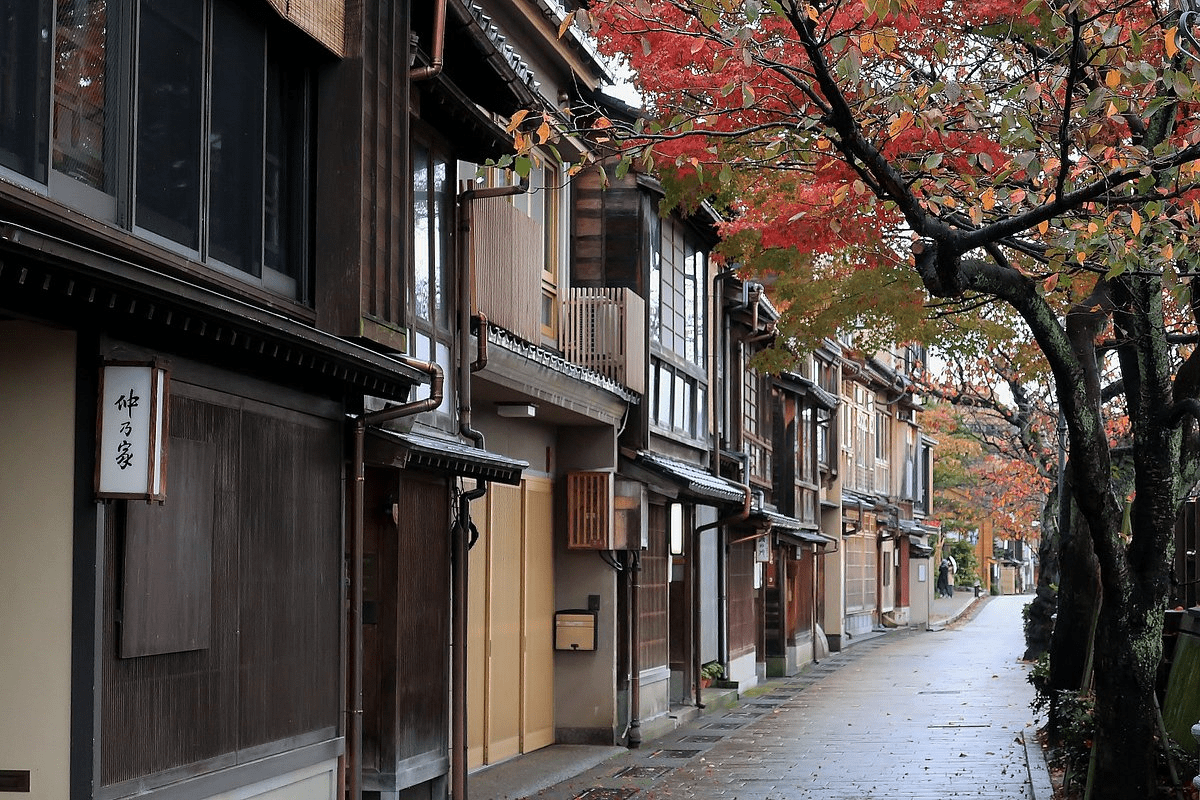
Historic geisha district with preserved wooden machiya houses.
Stay in a renovated traditional house within walking distance.
Join thousands of happy travelers who have discovered this incredible experience
Book Your Experience Now